How China’s ancient carrot-and-stick concept guides its rise, and why it has just 15 years to secure its place in the world
Howard French, American China watcher, talks about Xi Jinping, Donald Trump, and his new book looking at how the nation’s rise accords with a concept it has long taken for granted – tianxia

“China’s policy [regarding] North Korea, the South China Sea or the big question of the day is driven by a sober assessment of whatever China’s national interests are. China has not cracked down on North Korea to the extent that one American president after another would like to have seen, not because China is recalcitrant or fails to understand American concerns; China has its own concerns, which are pre-eminent. That’s normal. That’s how countries work.”
So says American journalist and writer Howard French when discussing recent developments in Asian geopolitics. An associate professor at Columbia University’s Graduate School of Journalism, in New York, French is an excellent guide. His 20-year career as a foreign correspondent for The New York Times includes stints as bureau chief in Tokyo and Shanghai. His 2014 book, China’s Second Continent, explored the country’s imperial ambitions in Africa.
The follow-up, Everything Under the Heavens (2017), could not have been timelier if recent news headlines had been stage-managed by a publicist. An incisive, readable history of China’s foreign policy within Asia, the book focuses on the country’s fluctuating, often turbulent relationships with Japan, Vietnam, the Philippines and the Koreas. The historical scope is equally impressive, sweeping from Zheng He’s 15th-century maritime explorations to Beijing’s present-day ambitions in the South China Sea.
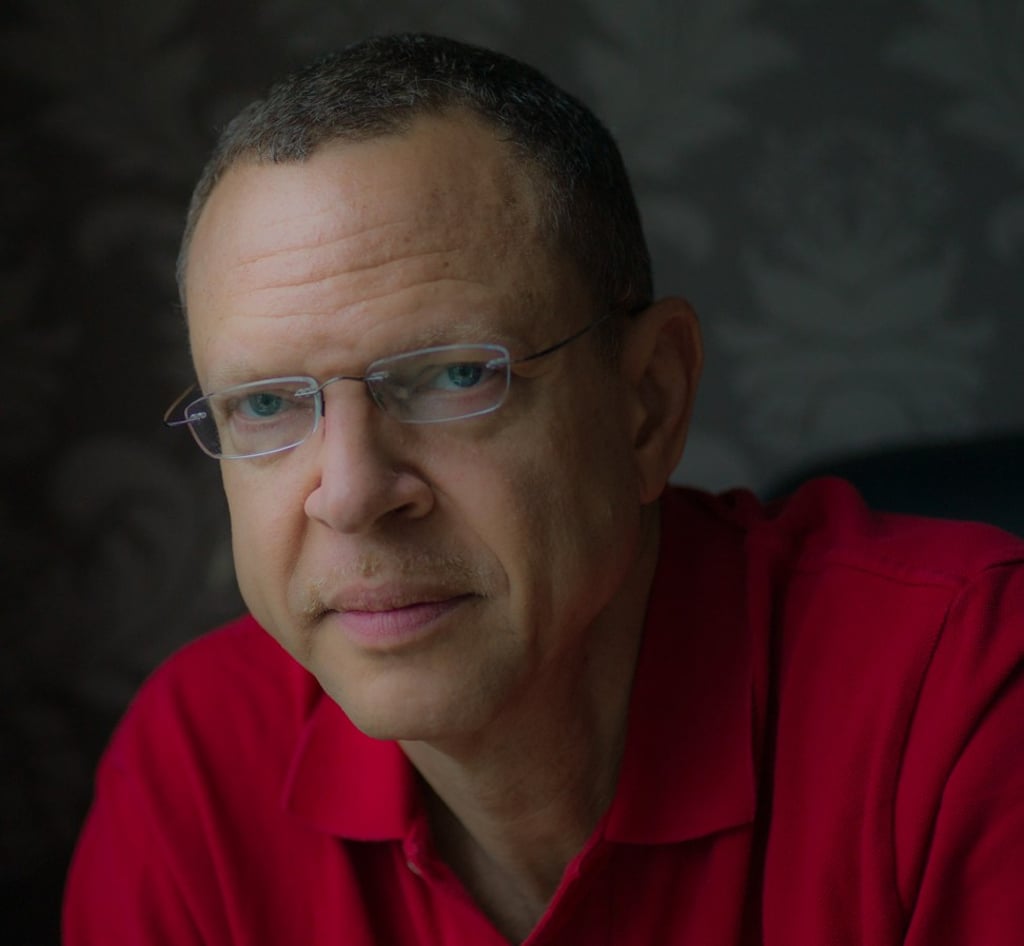
Nevertheless, so rapid is the speed of change in Asian realpolitik, in stark contrast to book publishing, that what seems up-to-date one minute feels archaic the next. Open the index of Everything Under the Heavens and one name is conspicuous by its absence – that of Donald Trump. French is sanguine about the omission; historical depth, not topicality, is Everything Under the Heavens’ raison d’être.
A book, unlike a journalistic article, simply can’t keep pace with breaking news. He cites the election of Rodrigo Duterte in the Philippines, which happened shortly after Everything Under the Heavens was completed, in the summer of 2016. Duterte’s arrival required small, if significant, additions to the text.
“Let’s just pray that nothing else really dramatic happens,” French recalls thinking at the time. “Then a few months later Trump gets elected president. Few people expected that, including Trump.”