Lessons for today of USS Pueblo’s 1968 capture by North Korea
Political experts say there is much to be learned from the warship crisis 50 years ago that brought the Korean peninsula to the brink of a second war

The United States warship moored on the banks of the Pothong river, in the North Korean capital of Pyongyang, is likely to attract a great number of visitors this weekend. It is not engaged on a goodwill visit nor is it the venue for talks between the two nations, but given the current tensions, it is surprising the USS Pueblo doesn’t draw more attention.
“It’s chilling for an American to go on board; the windows are still cracked by bullet holes, there are the original books and ledgers. It’s meant to be a museum but it’s a propaganda showpiece,” says Jean H. Lee, a journalist, expert in North Korean affairs and global fellow with the Woodrow Wilson International Centre, in Washington DC.
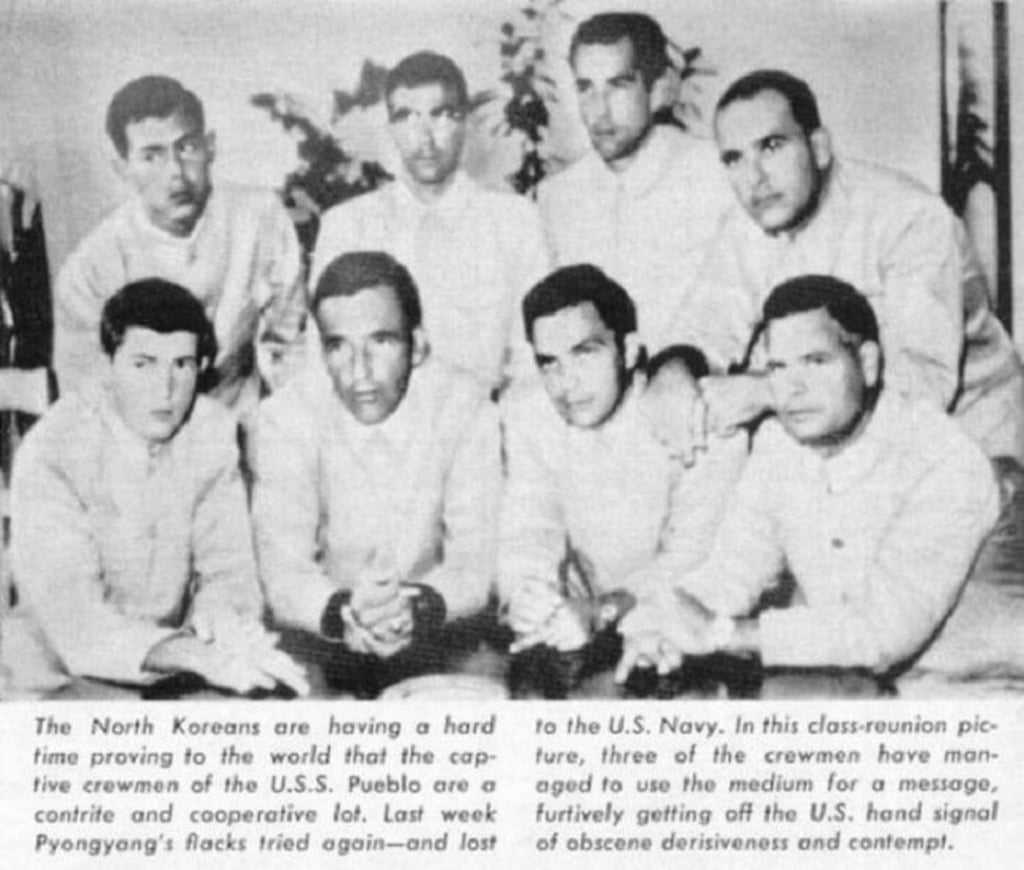
The ship was an electronic surveillance vessel – a spy ship – and when it was seized, along with its surviving crew of 82, by the North Korean Navy, on January 23, 1968, the cold war was brought to boiling point. The sailors were returned – having been held captive in brutal conditions for 11 months – but the Pueblo, complete with shell holes and left-behind uniforms, has for many years been on display as a reminder of a North Korean victory over its capitalist nemesis.
There are parallels between the Pueblo incident and the crisis now afflicting Pyongyang-Washington relations and “a small amount of miscommunication or misunderstanding of the current rhetoric can lead to a regional military escalation and conflict. That’s what we learned in 1968,” Lee says.
“And it’s just an absolutely incredible story,” she adds.