Tiger farms and illegal wildlife trade flourishing in Laos despite promise of a crackdown
‘Low-risk, extremely-high-return’ trade in endangered species’ body parts now ‘out of control’, says wildlife-crime expert

Laos, a landlocked country in Southeast Asia, has long held a key role in the global wildlife trade. Corruption and a flow of easy money across its porous borders have allowed the illegal trafficking of pangolins, helmeted hornbills and other wildlife products, as well as the country’s notorious tiger farms, to thrive.
In 2016, the Laos government told the Convention on International Trade in Endangered Species of Wild Fauna and Flora (Cites) in 2016 that it intended to shut down the tiger farms. However, a Post Magazine investigation has found the farms are flourishing, with another major operation having opened since the pledge was made. One expert described the trade in tiger parts used for medicines and potency treatments as “out of control”.
Foreign wildlife conservation groups working in the country say not a single arrest has been made for wildlife smuggling in Laos in recent years despite foreign aid for the training of rangers and to support investigations into smuggling syndicate kingpins.
“The rangers just take bribes from smugglers while officials take bigger bribes to allow the farms to keep operating,” a foreign wildlife-crime expert in Laos says.
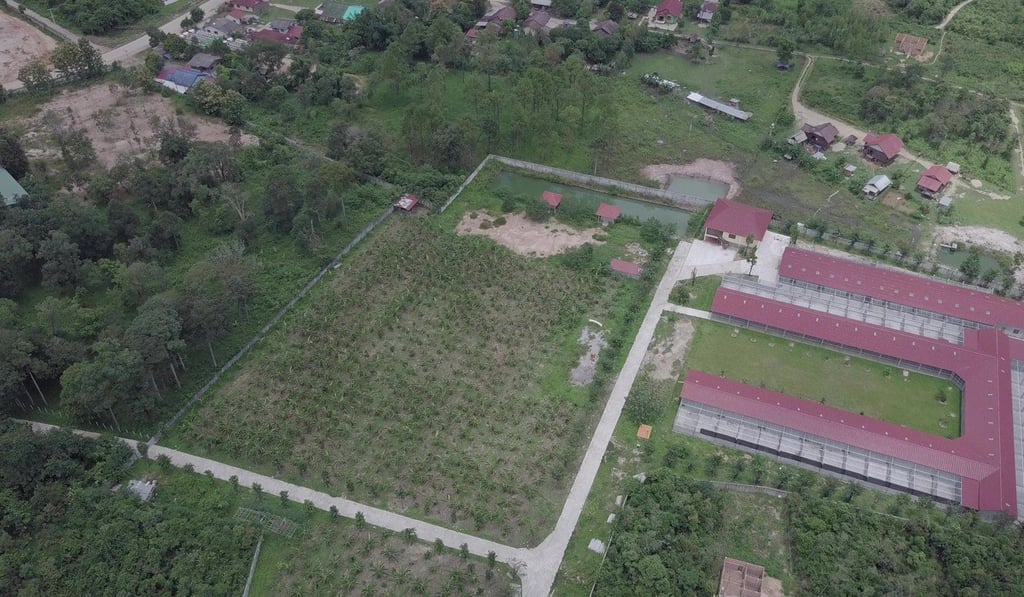
Laos – ranked 135th alongside Papua New Guinea out of 180 countries and territories in a corruption index by Transparency International – has an estimated 700 tigers in farms and hundreds more smuggled from Thailand and other countries to be slaughtered and exported to China.