One in 10 Hong Kong bird species at risk of extinction: can they be saved?
Avian conservation body’s alarming report prompts Hong Kong birdwatcher to search out the species in greatest danger, including the yellow-breasted bunting and spoon-billed sandpiper

For many people in Hong Kong, talk of endangered species conjures up images of wildlife whose natural habitats are “out there”, somewhere far away – such as giant pandas in the bamboo forests of Sichuan province, polar bears in the Arctic and miniature monkeys in the Brazilian rainforest. If, like me, you are a birdwatcher, however, the list of threatened species feels far closer to home.
The tally of the world’s endangered birds is growing ever larger, with some populations shrinking at startling rates. “The State of the World’s Birds 2018” report, which was released last month by BirdLife International (the world’s leading authority on avian conservation), notes that 13 per cent of the planet’s 11,000 or so bird species – roughly one in eight – are threatened with extinction.
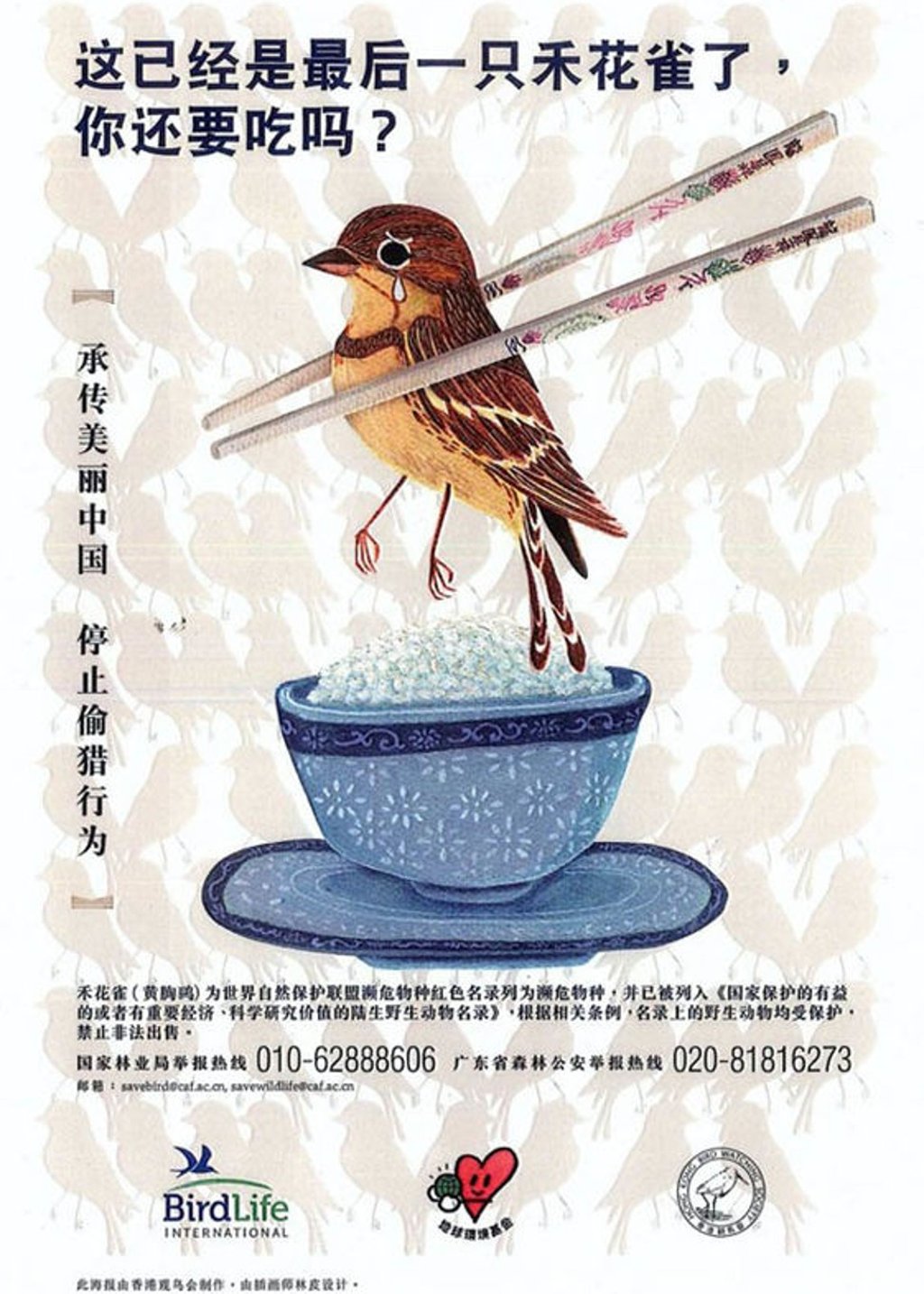
In Hong Kong, the endangered proportion of the total is slightly lower, at about 10 per cent of 522 species. This is no reason to feel upbeat, however: Hong Kong was deforested long ago, wiping out “forest specialists” (birds that primarily breed in wooded environments) and largely leaving room only for species adapted to living in areas shaped by humans.
Indeed, according to the report, human activity is responsible for losses worldwide. The main culprit has been farming, which has affected the populations of 74 per cent of globally threatened bird species. Logging and deforestation have caused declines in 50 per cent of the most endangered species, with invasive species (39 per cent), hunting/trapping (35 per cent), climate change (33 per cent) and residential/commercial development (28 per cent) also having a ruinous impact.