The US-China trade war: can Trump learn from history and resolve it?
China’s inexorable rise has seen an inconsequential trade gap with the US balloon into a multitrillion-dollar chasm. But how and why did it happen, and can it be settled?

In a look back at conflicts that have demanded the attention of political and business leaders over the past half-century, one stands out for its intractability: the long-running trade war between the United States and China – an ongoing series of skirmishes and battles over US access to Chinese markets and China’s access to American technology. Hot wars, cold wars, culture wars and 10 Star Wars films have come and gone, while trade warfare has raged on.
Sino-American friendship and trade dates back two centuries, reaching an apogee of sorts when the countries fought side by side in the second world war, an alliance that ended with the 1949 Communist victory in China’s civil war. The following year, a million People’s Liberation Army (PLA) “volunteers” streaming across the Yalu River into North Korea to fight United Nations troops triggered a 21-year US trade embargo.
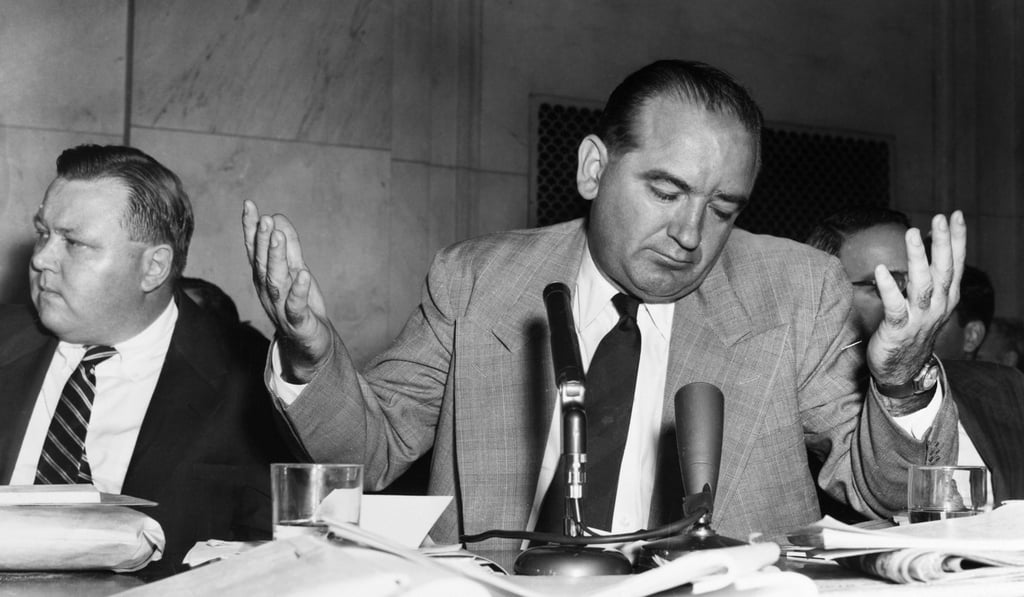
“Who lost China?” was a question that brought on widespread recriminations in post-war Washington, added fuel to Senator Joseph McCarthy’s hunt for communists in the government and helped a young congressman from California, Richard Nixon, rise to prominence as one of America’s leading anti-communists.
By the time the two sides resumed relations, in the early 1970s, the US and the Soviet Union were superpower adversaries in a two-way race for the military supremacy that advanced technology conferred. “Communist China”, as it was officially known in the US, was one of the poorest nations on Earth.
Though trade was not discussed much during Nixon’s visit, officials had already begun discussions about which technologies the US would share. Much of America’s “advanced technology”, developed by Fortune 500 companies, was “dual use” – it had military as well as civilian applications. Washington restricted its sale, corporate commercial applications notwithstanding. A common Beijing complaint about such restrictions was that the US was treating China as it treated the Soviets – and were not the Soviets their common enemy?