
Reflections | Renaming places: what’s all the fuss about?
From Guangzhou and Mumbai to New York, all have gone through name changes. Read on to find out what Kaohsiung was called and why

Obdurately old-fashioned fogies who chastise those of us who say Guangzhou instead of Canton and Mumbai instead of Bombay might have forgotten that New York was once New Amsterdam and Britain’s Cambridge was, in Roman times, Duroliponte.
Most human settlements have undergone name changes in the course of their history. Kaohsiung is another.
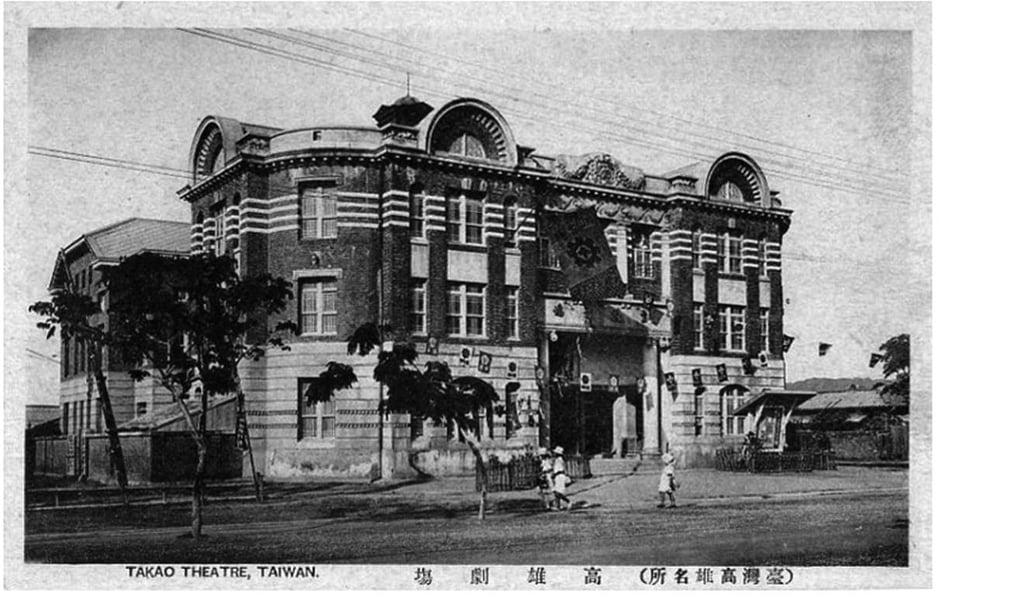
When Han Chinese from Fujian province arrived in the southern Taiwan settlement in the 16th and 17th centuries, they named it Takow, a transliteration of the aboriginal name, which meant “bamboo forest”. Curiously, the Chinese characters for “Takow” were 打狗, literally “beating the dog”, perhaps reflecting the unschooled backgrounds of the colonists.
For most of Taiwan’s history, until the Japanese occupation (1895-1945), the region was called Takow. In 1920, the Japanese administrators bowdlerised the Chinese characters of the name, changing them to 高雄 (“tall and heroic”) while retaining the original pronunciation, which was romanised as Takao. When the Chinese took over Taiwan from the Japanese, in 1945, they kept the Chinese characters but pronounced them in Putonghua, Gaoxiong, romanised as Kaohsiung.