Language MattersEaster’s pagan origins set course for Christian and later egg-centric appropriation
Originally a celebration of spring, the holiday’s significance has evolved over time, as has its East Asian cousin, Ching Ming

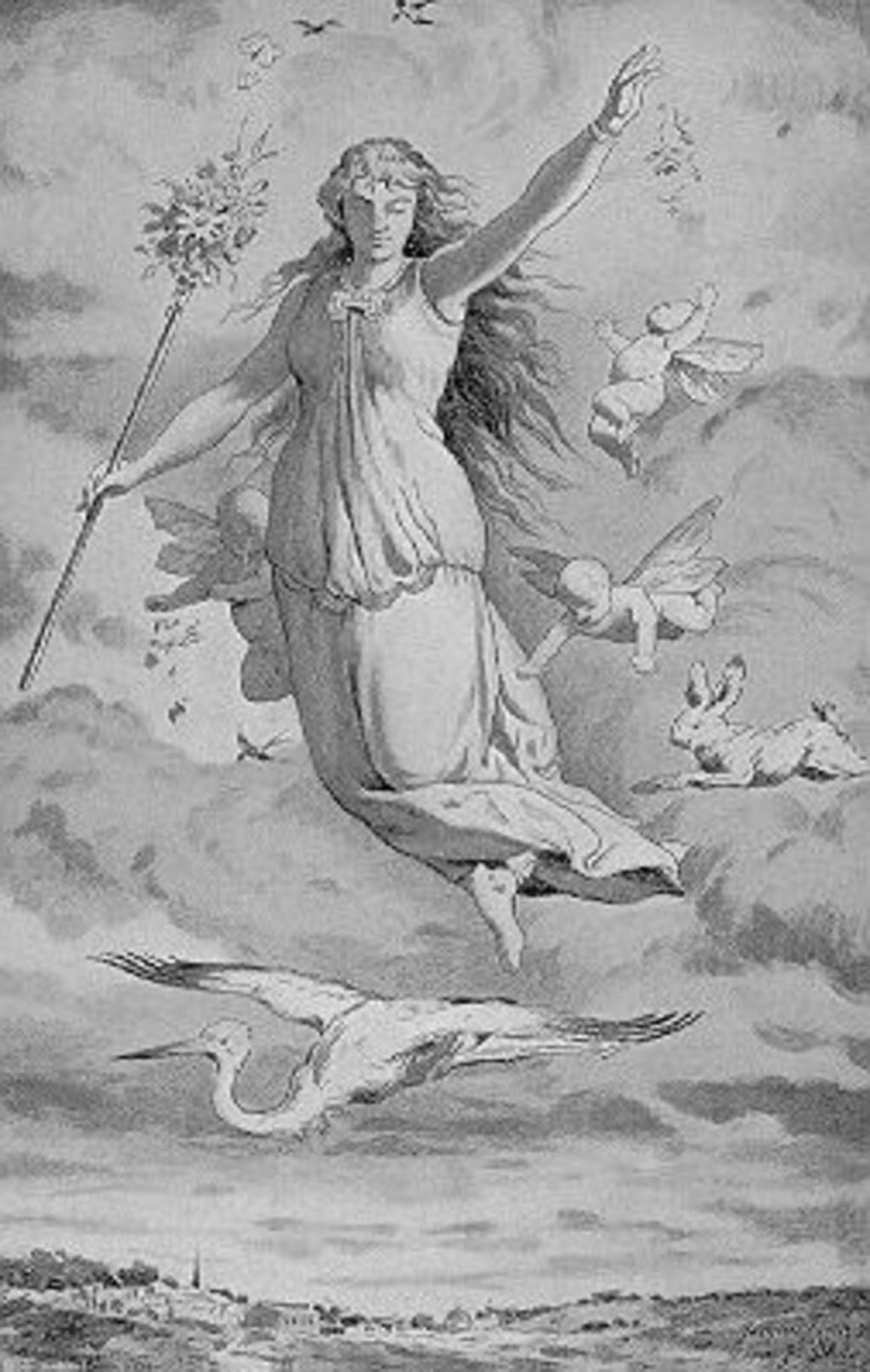
“Happy Easter!” will be on the lips of many today, referring to the Christian celebration of the resurrection of Jesus on the first Sunday following the full moon after the vernal equinox. Inherited from the Germanic, and cognate with the German Ostern, with the same Germanic base as “east”, the word Easter is also thought to hark back to England’s pre-Christian goddess Ē ostre – from the Proto-Germanic austrōn, meaning “dawn” – celebrated at the beginning of spring. Even after the Christian meaning of the celebration started to be affirmed, with the month already called Eosturmonath in Old English, English Christians continued using the pagan goddess’ name.
The Russian Paskha comes from Greek via Old Church Slavonic, while nearly all Romance languages derive the name from the Latin Pascha: Spanish Pascua, Italian and Catalan Pasqua, Portuguese Páscoa, French Pâques, Romanian Paşti. So, too, all modern Celtic languages: Brittonic languages Welsh Pasg, Cornish and Breton Pask; and the Goidelic languages: Irish Cáisc, Gaelic Càisg, Manx Caisht (the initial “p” sound replaced with “k” because the word was borrowed at a time when these languages were without the former). Some languages derived their term directly from the Hebrew Pesach: the Dutch Pasen, Danish and Norwegian Påske, Swedish Påsk, Icelandic Páskar and Faroese Páskir.
In East Asia, spring also sees the Ching Ming Festival – Ching Ming Jit in Cantonese, Qingming Jie in Mandarin – meaning clear and bright, from the East Asian lunisolar calendar’s fifth solar term. Its precursor, the Hanshi – “cold food” – Festival, commemorated seventh-century BC nobleman Jie Zhitui, who accompanied his master in exile, even cutting meat from his thigh for the latter’s sustenance and, later, unrewarded and secluded in a forest, was burnt alive. The avoidance of lighting fires and the consumption of cold food were practised in his honour, for up to a month.