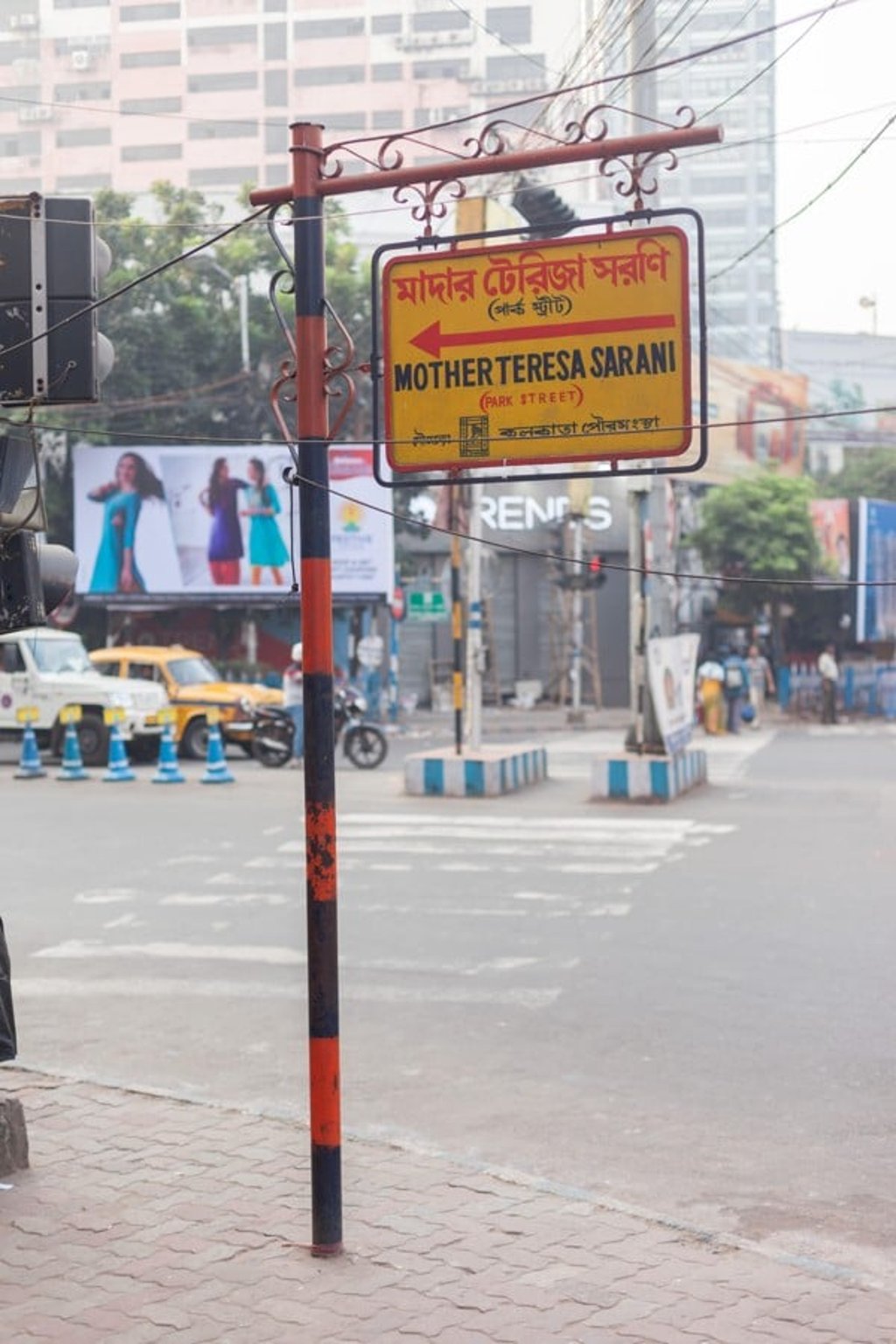
Then & Now | Why renaming Hong Kong’s colonial-era streets would be a politically correct mistake
From India to Malaysia, changing the names of familiar routes has resulted in confusion, resistance and ridicule

As the 1997 handover approached, it was frequently suggested that local place names would eventually be changed to reflect Hong Kong’s new political realities. And every so often, some political grandstander opines that the lingering stain of colonialism would be best erased by removing British-era road names. Terms that better reflect the territory’s status as an integral, inalienable part of the Chinese nation would, of course, be much more desirable.
Shie Tak-chung, a local delegate to the Chinese People’s Political Consultative Conference (CPPCC), recently suggested scrapping Hong Kong’s colonial-era road names. His reported rationale suggested that redesignations would encourage greater patriotism among disaffected local youth. Like most cheap publicity stunts, this crude eructation garnered him some brief press attention, before both “idea” and originator quickly disappeared.
Every so often, some political grandstander opines that the lingering stain of colonialism would be best erased by removing British-era road names
Form exists in other post-colonial territories. India and Malaysia, between the 1960s and 90s, offer examples of this post-independence trend. In Penang, thoroughfares were given a Malay flavour by exchanging Street for Lebuh, Lane for Lorong, Road for Jalan, Drive for Persiaran, and – for the most part – leaving the individual they were originally named for unaltered. Consequently, modern George Town still has Lebuh Carnarvon, Persiaran Gurney, Jalan Macalister and numerous others.
Some renaming programmes have been random and poorly thought through. In Kuala Lumpur, some choices were unintentionally ridiculous. One particularly egregious example occurs in the central area of the city, just behind the old Federal Secretariat buildings, where Holland Road – later redesignated Jalan Belanda – commemorated Hugh Holland, an architect. Belanda is the Malay word for the Netherlands, and was presumed by the renaming committee to be a direct translation of Holland. Long-term residents refer to this linguistic Frankenstein’s monster as Jalan Blunder.