Six sure signs you’re caught in a tourist trap – and how not to fall for the hype
‘World famous’? As shown on TV? Right next to a bucket list landmark? How to dodge overpriced and underwhelming holiday pitfalls

Definitions of what constitutes a tourist trap are as varied as the places themselves.
They’re said to be overhyped, expensive, tacky and lack authenticity, yet, despite long lines, Hong Kong’s Peak Tram is none of those things; nor is the Star Ferry plying Victoria Harbour.
A tourist trap can be a city (Prague), an attraction (Fisherman’s Wharf in San Francisco), a purpose-built resort (Cancun) or a cheap tuk-tuk ride that involves a detour to a gem shop. Many, including Venice and the Great Wall of China at Badaling, are much loved, even though they’re nudging the upper limits of their carrying capacities, while others aren’t as easy to spot.
1 The world famous
Places that preface their name with “world famous” usually aren’t. Tourism royalty has no need to overdo the self-promotion. The Arizona Visitor Centre doesn’t sell its crown jewel as the “World Famous Grand Canyon”, nor do Nepalese authorities advertise hiking and summit climbs up the “World Famous Mount Everest”.
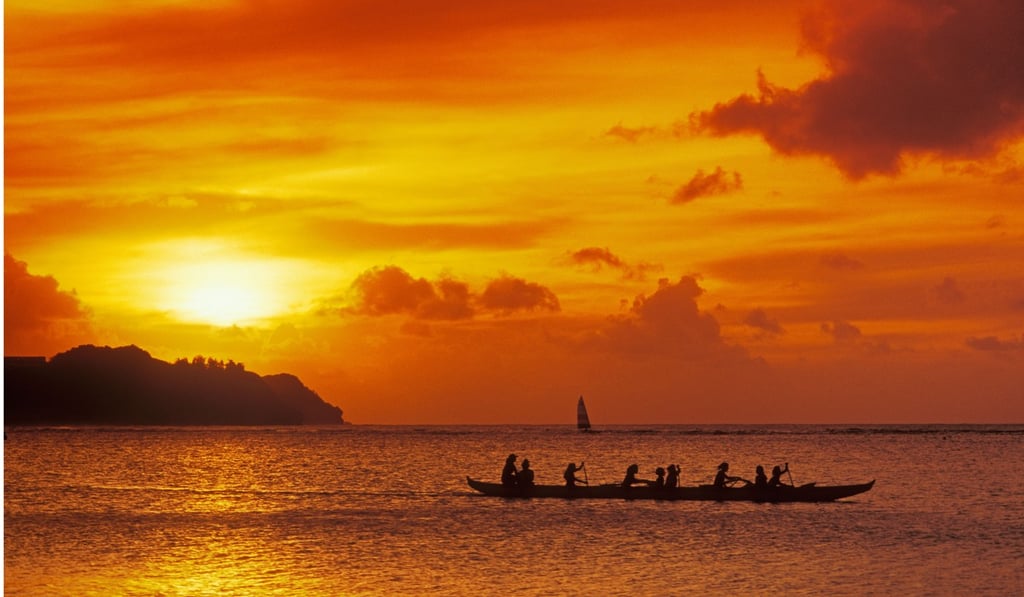
There are, however, any number of “world famous caves” (litter-strewn holes decorated with cheap fairy lights) and “internationally renowned fortune-tellers” (“I sense you are on a long journey, sir”). VisitGuam.com boasts of the island’s “world famous sunsets”, although what makes them better, or more famous, than those that illuminate Phuket, Paris or Pok Fu Lam is unclear.
Including a recognisable landmark such as the Statue of Liberty or Sydney Harbour Bridge in a sunset photo helps, but it’s the silhouette that lends eminence, not the splash of tangerine and crimson.