Uzbekistan: ancient architecture, friendly locals and plenty of plov
Madrassas, minarets, mosques and mausoleums form a stunning backdrop to the Central Asian nation’s colourful culture

Colour is my first impression of Bukhara. The buildings in this Uzbek city are a warm ochre, the raven-haired women sweeping the road dressed in clashing man-made fabrics made more garish still by high-visibility vests – worn to warn off who knows what traffic, since the roads are devoid of cars. A cobalt blue sky accentuates the geometric blue tiles of the Ulugh Beg madrassa, the shiny turquoise tips of the four minarets of Chor Minor and the dark earthen permanence of the Emir’s Palace and Ark Fortress.
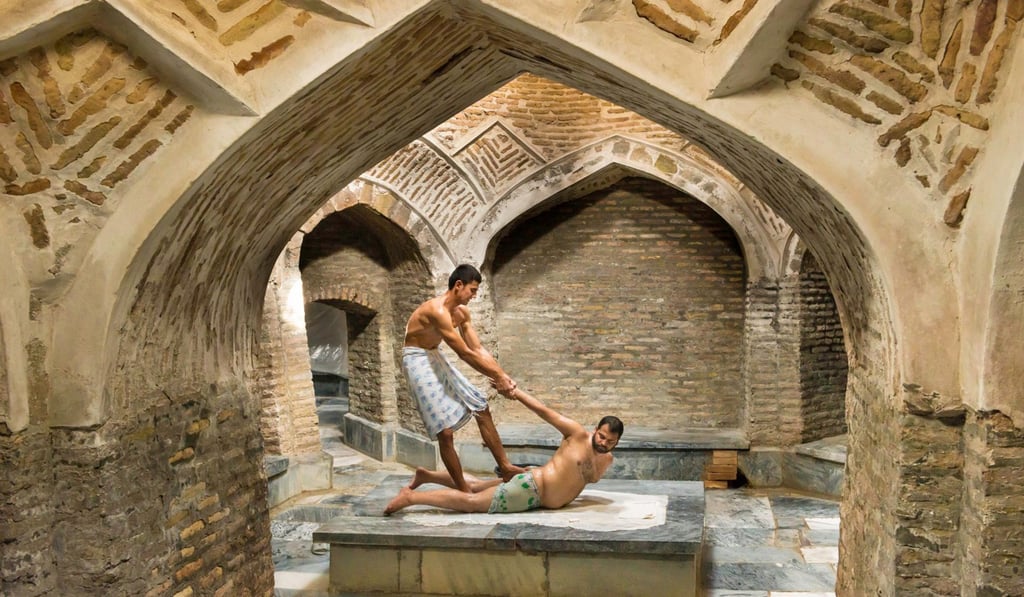
But before a more thorough exploration, a bath. Close to my guest house are the Old Town baths, where men in tiny towels lay on stone slabs in ancient stone cavelike rooms, gasping as other men in tiny towels pummel their soapy bodies with bunched fists. I suffer the same treatment as bucket after bucket of hot soapy water is thrown over me. I am covered with an abrasive golden mixture of honey and ginger before being worked over once more, to leave me feeling as weak as a kitten, but aromatic – and no doubt delicious tasting, too.
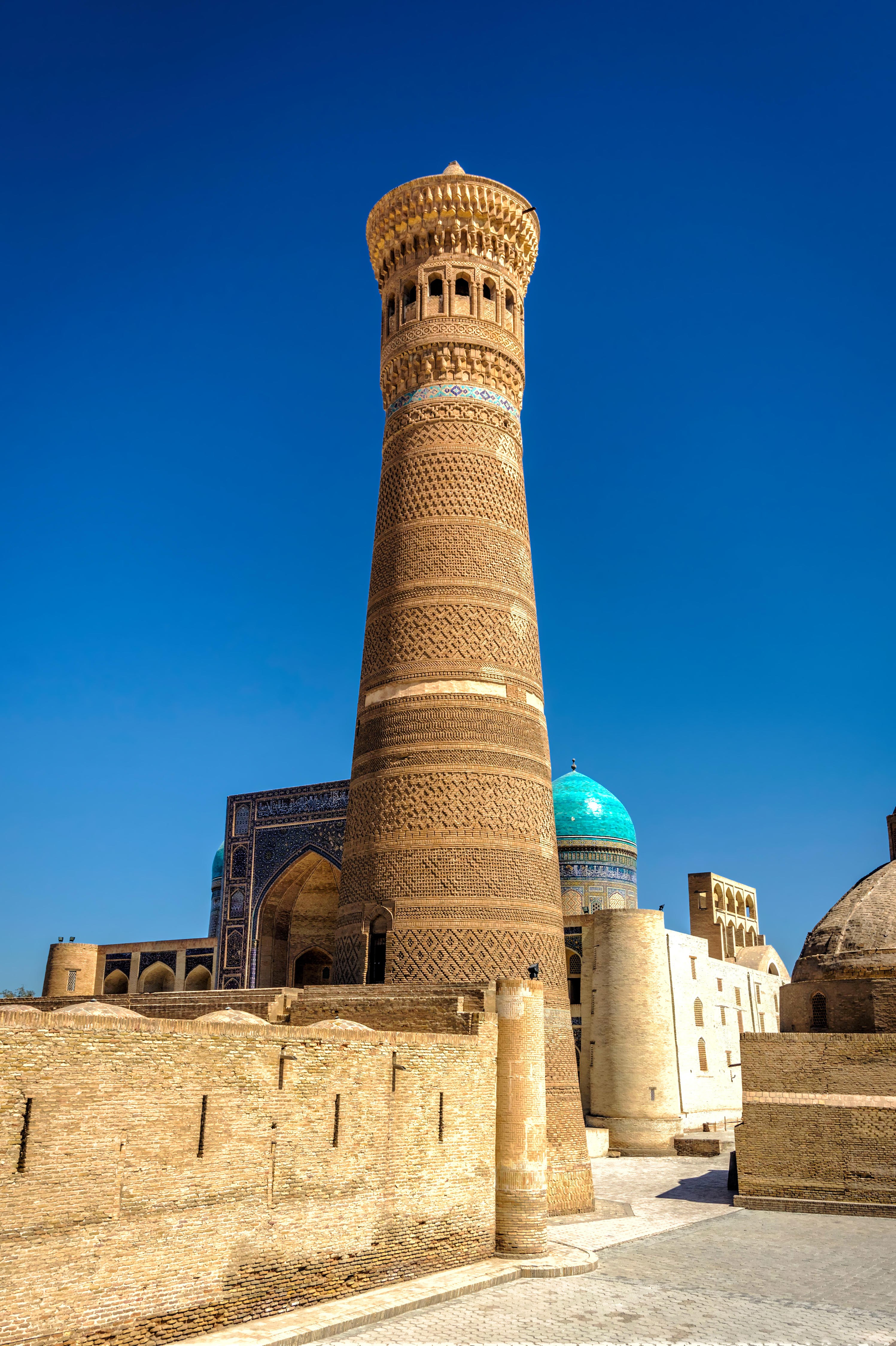
The Soviet Red Army nearly succeeded where Genghis faltered, when soldiers blew holes in the minaret with their artillery in 1920, but the tower was restored in the 30s and Joseph Stalin allowed the madrassa beside it to reopen in 1944, whereupon it became the only functioning Islamic teaching college in the Soviet Union.
I arrived in Bukhara by train, from Tashkent, and I am leaving the same way. Ten thousand som (US$1.2) has secured me an upgrade to a “luxury” two-berth cabin, where the pictures on the velour blankets are more extravagantly kitsch than in standard class and the toilet has an actual seat.