Explore France’s champagne capital, the home of Veuve Clicquot’s fine fizz
An hour east of Paris, the town of Reims tells the story of how Madame Clicquot defied convention, Napoleon’s trade blockades and bad luck to make one of France’s most famed champagne houses a success

The portrait of an elderly lady with slightly stern features, dressed in black with a white lace veil, which has adorned countless corks, is one that perfectly fits the cultural notion of a widow. It is easy to neglect the fact, however, that in the early 19th century, many women were widowed when still decades from their dotage.
In 1805, Madame Barbe-Nicole Clicquot was one such woman. Husband Nicolas had died of typhoid at the age of 30, leaving her, at 27, a single mother to a six-year-old daughter. Madame Clicquot channelled her grief into doing something no one would have thought an option for a young widow – or indeed for any woman of the time.
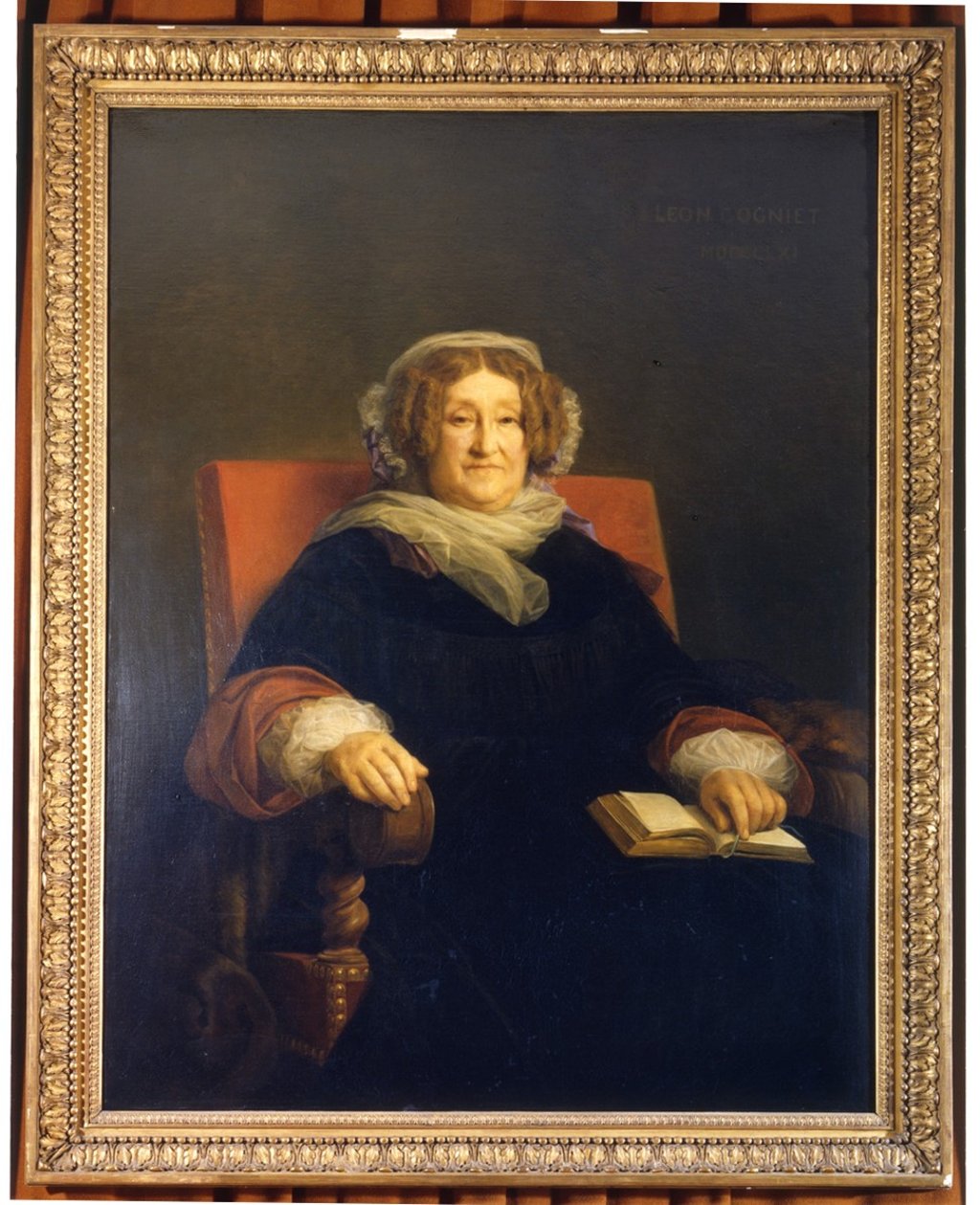
Women in France back then were minors in the eyes of the law. They were the responsibility of their fathers until married, when they became the responsibility of their husbands. Not allowed to hold bank accounts, they were cut off financially, and the idea of a rich, aristocratic woman working was unthinkable. Nevertheless, Clicquot became one of history’s most remarkable businesswomen, fighting societal prejudice and overcoming unimaginable barriers to make a global success of the family’s champagne house, which eventually took her name: Veuve (“widow”) Clicquot. Her story leads us to Reims (“rance” is a near pronunciation), the capital of the region named after the country’s most famous wine.
Two hours’ drive, or an hour by TGV train, to the east of Paris, the city is accessible as a day trip from the capital, but a few nights will allow a visitor to make the most of its cellars and vineyards, as well as the gastronomy options for pairing with the legendary bubbles.