East African elephants: a highlight for tourists, a livelihood for locals and a win for conservationists

Clouds of red dust rise up through the distant undergrowth followed by a growing crescendo of rustling and shuffling before the first attempt at a fearsome trump. It sounds more like a children’s party trumpet.
The group of about 40 global visitors, sponsors of these orphaned elephants, have gathered just before dusk and are loving every second of the interaction. They are here thanks to the tireless work of a remarkable couple, David and Daphne Sheldrick.
(In April, just a few weeks after my visit, the world of conservation would lose one of its great champions with the death of Dame Daphne Sheldrick, at the age of 83. The elephant conservationist lost her battle with breast cancer at her home in the Kenyan capital, Nairobi, leaving behind a legacy that includes saving the lives of more than 230 orphaned elephants and protecting countless other threatened animals over more than 60 years. Her husband, David, for whom she named the trust, died in 1977.)
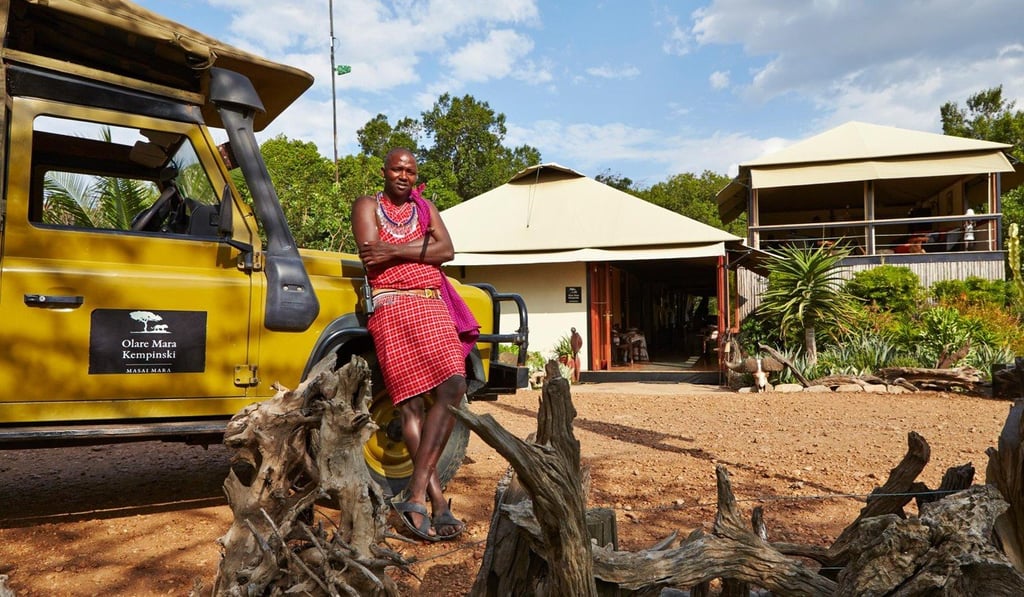
A six-hour drive to the west of Nairobi is a landmark project within the Maasai Mara eco-system, which crosses Kenya’s southern border with Tanzania. A few years ago, conservationists worked with local communities to limit cattle grazing on the grasslands of the private 35,000-acre Olare Motorogi Conservancy, which is run in partnership with the Maasai people. Today, the habitat they created is home to a wide range of wildlife, offering a more exclusive safari experience for the five camps based within the conservancy while providing income and livelihoods for those who own the land.
Visitors who are uncomfortable in tiny aircraft may need to look elsewhere for their safaris, but for those who love the rush of a propeller plane, there’s no better way to grasp the vastness of the conservancy than from on high, as wild animals idle oblivious below.