How Chinese athleisure fans are driving the luxury fashion market

Chinese consumers are driving the high-end athleisure market, which is poised to overtake luxury by 2020
This article was written by Jessica Rapp and originally published on Jing Daily
Maia Active founder Lisa Ou remembers a time in China, just five years ago, when exercising was an all-out event. Getting a workout meant buying all the right gear, piling into a Jeep and driving to the side of a mountain and doing a day-long hike. It also meant big-name, all-encompassing sports brands, like Nike and Adidas, were front and centre for consumers.
Ou knew this when starting her brand last year. With a fashion background – she graduated from Parsons School of Design and did a stint with J. Crew – she noticed a major gap in the market when she came to China. Simply put, she couldn’t find gym clothes she liked.
She noticed many of the international brands’ clothing weren’t well-suited to Chinese body types or to the climate. So she set off to create a higher-end, functional, stylish brand that would appeal specifically to Chinese consumers, with quality fabrics and a price tag that would be competitive with some of the leading international fitness apparel brands on the scene.
“Everybody can see that this market is going to be one of the biggest, and people want to have options,” Ou said. “The market is shifting in that consumers really want to express themselves and not have the same item as everyone else.”
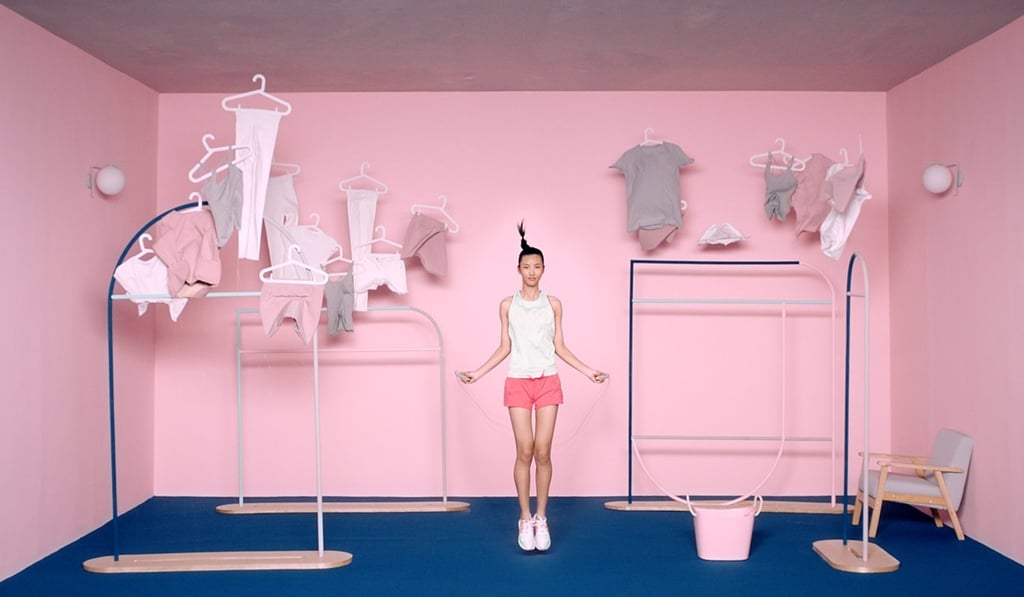
The proof so far, is in the sales. Since launching Maia Active in June 2016, Ou says Maia Active sales have grown five times from February to July, and she expects growth to continue at this rate. Most of her sales are currently through online channels, including Tmall. But, being a premium brand, she also does pop-up shops at luxury hotels and sells at boutique gyms. One such gym is Space Cycle, sandwiched between shops like Christian Louboutin and Kenzo in Beijing’s upscale shopping centre Swire Taikoo Li.