When does cultural inspiration become appropriation in the fashion world?

Cultural appropriation in fashion has sparked debate, and an exchange founded on equality could settle the controversy over looks by Chanel, Dior, Dsquared2 and others
Years before cultural appropriation became the buzzword it is today, pop sensation Gwen Stefani debuted her controversial single Harajuku Girls. Inspired by Japanese street fashion, the song featured backup dancers dressed as Harajuku girls, who doted on her from behind but never spoke in public. While critics panned it as blatant cultural appropriation, Stefani called it cultural appreciation.
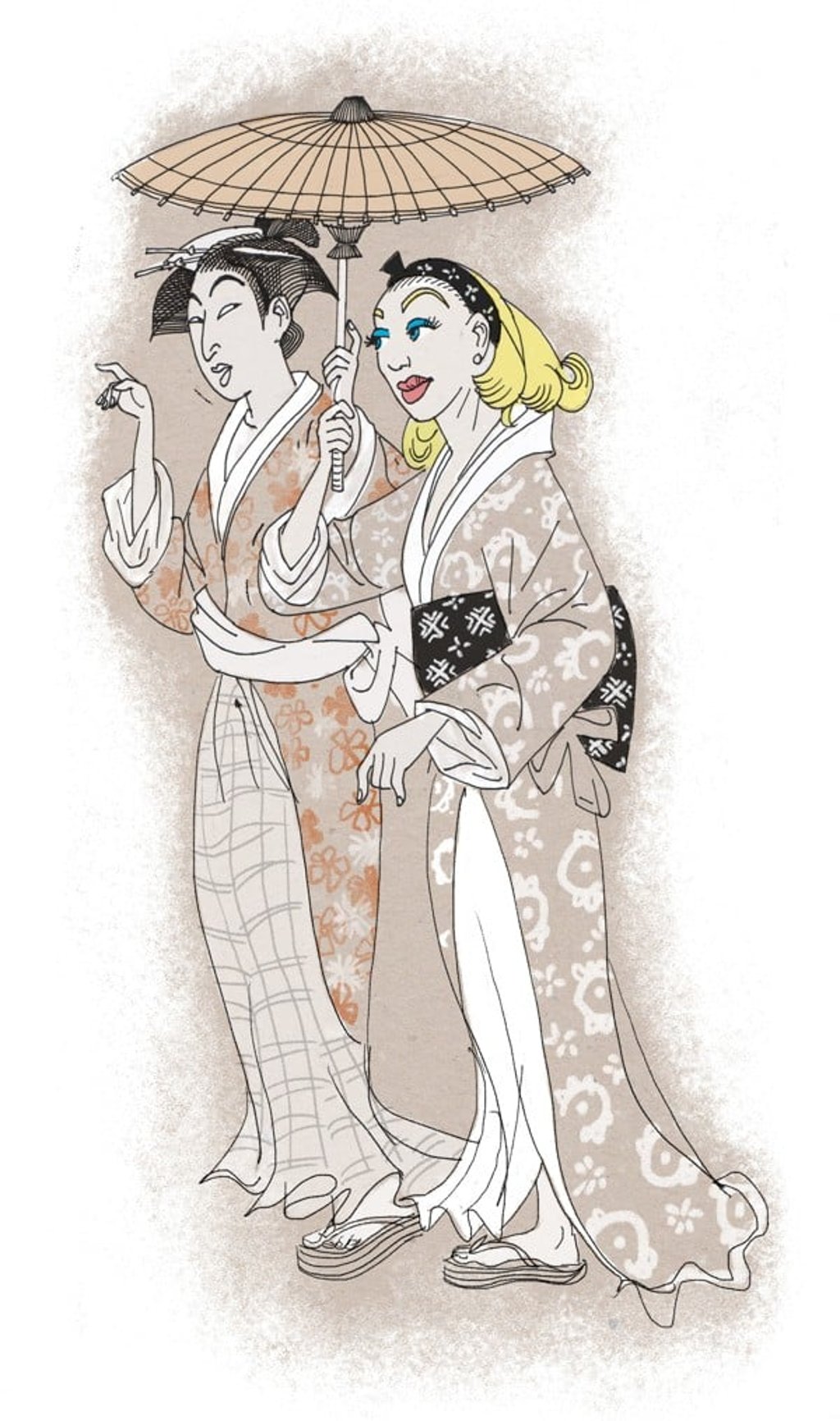
The debate brought into the mainstream by the No Doubt hitmaker over a decade ago still rages on today. Journalists are no longer the lone authority; Twitter, Instagram and Facebook users make or break the controversy around any subject today.
London-based independent exhibition curator, Tory Turk, agrees. “The reason why the subject of ‘cultural appropriation’ in fashion could be seen as more problematic is because the jury has changed. The social media crowd can decide whether it’s cultural appropriation or cultural inspiration, and ultimately decide whether it is distasteful or not.”
Cultural appropriation or “misappropriation” is when a dominant culture adapts elements from a marginalised culture and uses it outside the original culture’s context – often without credit or against the wishes of the said culture. Given the heavy dialogue around the subject today, the meaning is often lost, which can benefit or harm a high-end business.