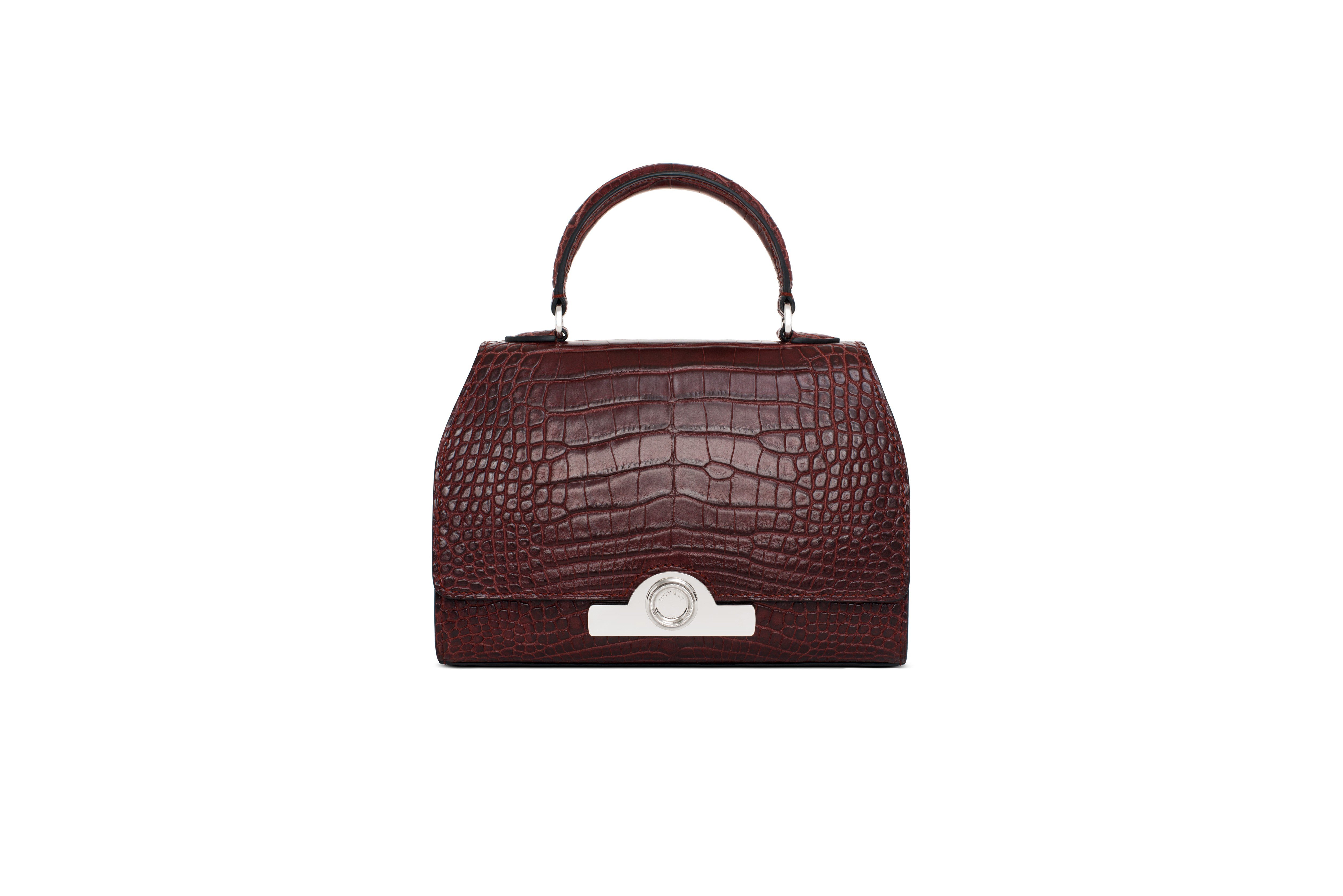
‘Russia leather’ is coveted by luxury brands like Moynat and Hermès

For centuries, one of the most sought-after secrets within the fashion and historian community alike is an age-old leather tanning process that rests at the bottom of the English Channel as part of an abandoned shipwreck from 1786. Hours after the 53-tonne brigantine Die Frau Metta Catharina set sail from St Petersburg with bundles of leather, a storm sank the ship to a depth of 30 metres off the southwest coast of England.
The wreck, along with the leather, remained undiscovered at the bottom for close to 200 years. But in 1973, when a team of archaeologists came upon the Genoa-bound ship’s remains, local tanneries and museum curators flocked to gather the pristine hides uncovered with the ruins known as “Russia leather”.
Native to 17th century Russia, the hides were created from a meticulous three-step process that involved months of tanning, oiling and dyeing. Its distinctive characteristics, such as a specific shade of dark red, supple texture, resistance to water and insects, and a diamond cut hatching, turned it into a must-have luxury item back in the 17th century.
Over the years multiple failed attempts were made at replicating the stealthy process once used by Americans to upholster seating furniture, create luxury footwear, belts, and even a specific perfume.
Sadly, all that remains is the small batch salvaged from the shipwreck and sold to museums and brands for preservation as well as recreation of new styles.
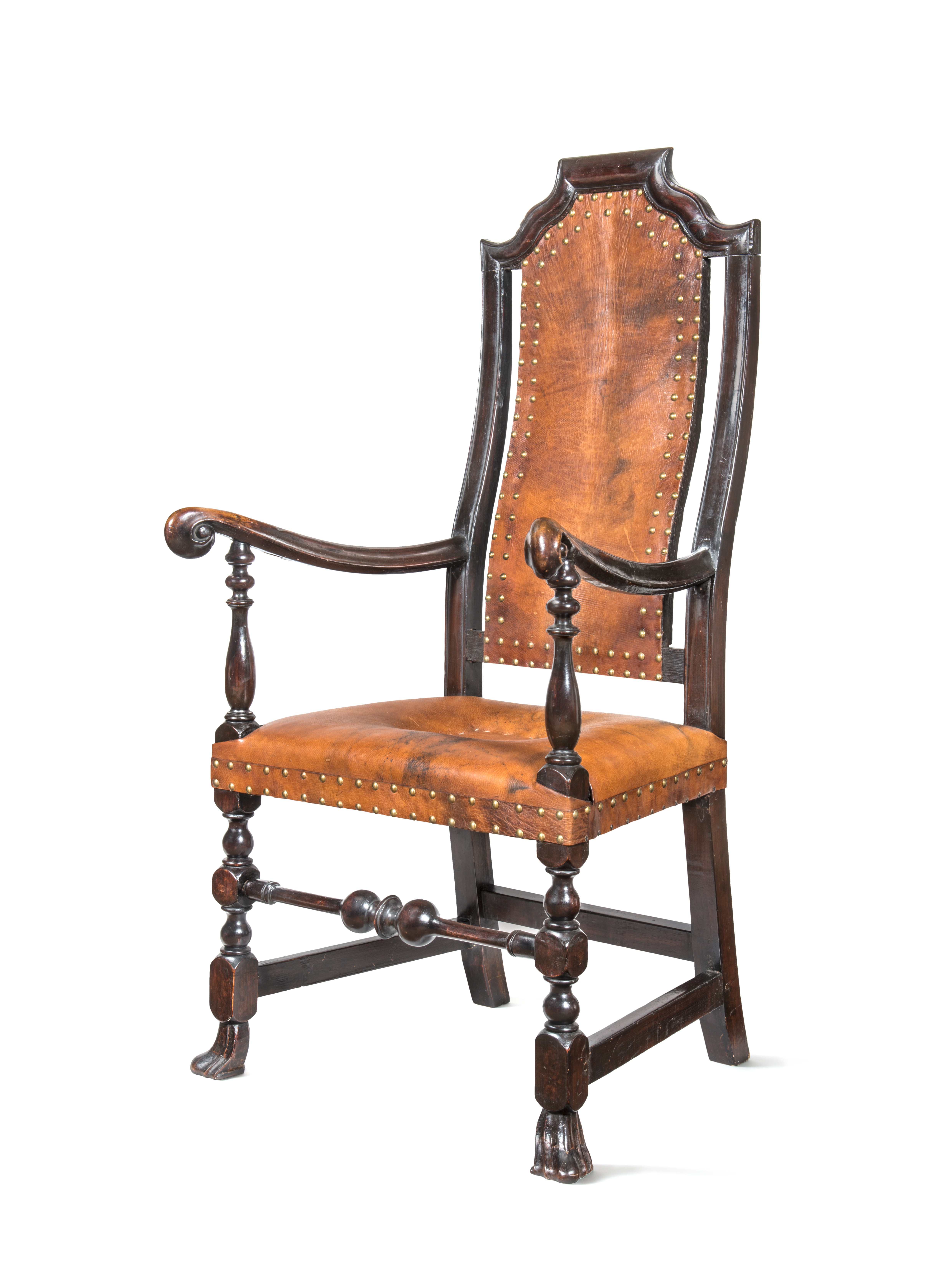
Winterthur Museum of Delaware is among the few lucky procurers of whole hides preserved as artefacts and also cut up and used for historic upholstery. “Production of the 18th century type leather seems to be a lost art. Following closely-guarded secret processes, Russian tanners made Russia leather from reindeer hide, soaked for many weeks or even months in a tannin bath extracted from the bark and leaves of willow, birch, chestnut or oak tree,” say Mark J. Anderson, Elizabeth Terry Seaks senior furniture conservator, and Joshua W. Lane, Lois F. and Henry S. McNeil curator of furniture at Winterthur Museum.

Moynat – the historic leather goods creator acquired by LVMH – announced late last year that they were working to “update” the old formula as part of a new collection. The new line included the label’s iconic “Gabrielle” handbag created in collaboration with Tanneries Roux, a tannery belonging to the LVMH Group, using what they called the “Imperial calfskin”.
“Faithful to its values, Maison Moynat has marked the renaissance of Russia leather with an updated version of this mythic material.