Why private jets are now more affordable

Corporate-jet makers are flooding the market, spurring deep discounts for new aircraft and fuelling a three-year slide in prices of used planes
Corporate-jet makers are flooding the market, spurring deep discounts for new aircraft and fuelling a three-year slide in prices of used planes.
Most major manufacturers, including Gulfstream and Bombardier – which is also contending with rising hurdles in its commercial-jet business – have pared production somewhat in the last couple years as demand for private jets has sagged. But that hasn’t been enough to halt declines in aircraft values, say consultants, brokers and analysts in the US$18 billion industry.
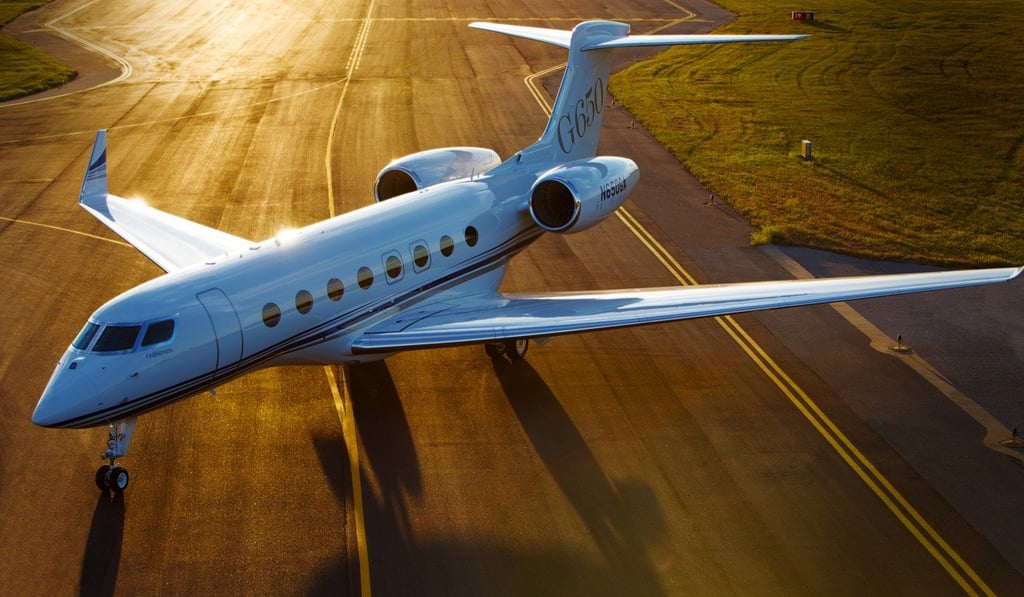
Gone is the optimism stoked by the election of President Donald Trump, a corporate-jet maven with his own Boeing 757, along with hopes for speedy tax cuts that would bolster plane purchases. Instead, the news has been full of setbacks. US Health Secretary Tom Price resigned under fire for his frequent use of private planes at taxpayer expense. General Electric is selling off its corporate fleet to cut costs.
“The Trump bump is over,” said Janine Iannarelli, a Houston-based plane broker.
The jet glut is one reason pre-owned prices were down 16 per cent in August from a year earlier. With bargains aplenty on machines with few flight hours, manufacturers are cutting deals to entice buyers to purchase new planes. Meanwhile, they keep churning out aircraft and introducing new models.
“It’s a question of who wants to blink first,” said Rolland Vincent, a consultant who puts together the JetNet iQ industry forecast. “Nobody – because whoever blinks, loses share.”
A rise in demand for new company planes, which would help stabilise the market, isn’t in the cards. Corporate plane-buying plans have hit a 17-year low, according to an annual survey by Honeywell International Inc. of more than 1,500 flight departments. Companies expect to replace or add planes equivalent to 19 per cent of their fleets on average over the next five years, down from 27 per cent in last year’s survey.