Six things you didn’t know about the Hong Kong Film Awards

April is that time of year when the golden film statue comes to mind. It’s time for the glitz and glamour of the Hong Kong Film Awards (HKFA) again. But, apart from the star-studded red carpet, how well do you know this 36-year-old awards event?
Tonight marks the 36th anniversary of the Hong Kong Film Awards (HKFA). This year’s event is filled with new directors, screenwriters, actors and actresses, indicating that the local movie industry is stepping into a new era. However, looking back, have you ever wondered when and where the first HKFA presentation took place? Why is the trophy a female statue? And who was the youngest Best Actress in HKFA’s history? Here are some interesting facts that you might not know about the HKFA.
Hong Kong Cultural Centre is not the only venue
The award ceremony has mostly been held at the Grand Theatre of the Hong Kong Cultural Centre since 1991. Before then, there was no regular venue. As limited by budget and absence of board committees, the first HKFA ceremony in 1982 took place at the Hong Kong Arts Centre’s Shouson Theatre on a much smaller scale. That year, Michael Hui, who starred in Security Unlimited, was named Best Actor while Kara Wai won the Best Actress award for My Young Auntie.

The most awards won by a single film
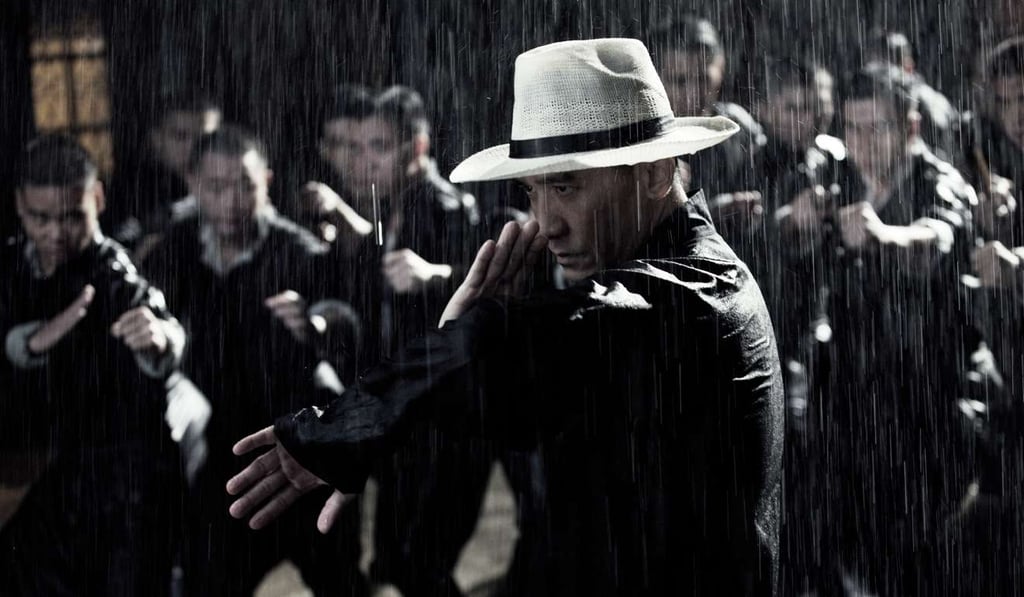
Depicting the story of Wing Chun master Ip Man, The Grandmaster, directed by the legendary filmmaker Wong Kar-wai, won 12 of the 14 awards for which it was nominated the 33rd HKFA in 2014, breaking the record for the most awards won by a single film. Awards garnered by the martial arts epic included Best Film, Best Director, Best Screenplay, Best Actress, Best Supporting Actor, etc.
Best dressed celebrity on the red carpet
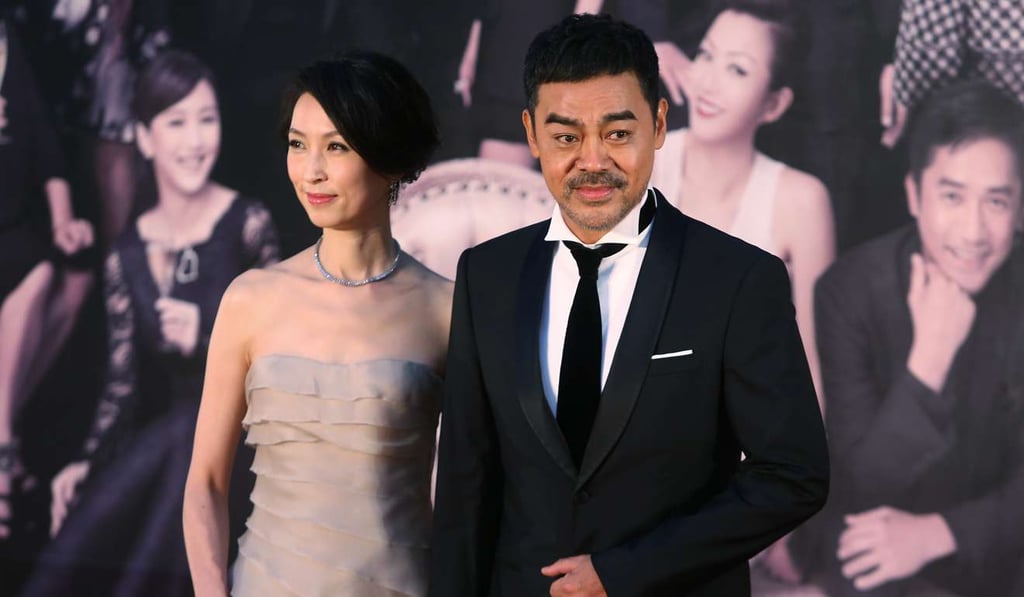
The HKFA first presented the Best Dressed award in 2009 and the only celebrity who won the award twice was Sean Lau. In a Giorgio Armani tuxedo both in 2012 and 2013, Lau took the prize two years in a roll. The Best Dressed Actor and Actress last year were Jacky Cheung and Karena Lam.
Why is the trophy a female statue?