Why dead rapper Lil Peep was an icon for millennial style

According to Playboi Carti, “He was a trendsetter!”
Last Thursday, the internet poured over with a flurry of posts commemorating the passing of artist Lil Peep, who allegedly overdosed from a lethal consumption of the prescription drug Xanax.
Born Gustav Ahr, the 21-year-old Long Island native was at the brink of widespread acclaim, having accrued a sizeable following on SoundCloud thanks to his unique brand of “emo rap” that melded elements of contemporary trap music with vocals and lyrical hooks reminiscent of early-2000s pop punk.
With four mixtapes under his belt as well as a full-length album, Come Over When You’re Sober , Pt. I, which released this past August, Peep, since emerging from the trenches of cyberspace in 2015, had become one of the music world’s most polarising figures. His poignant songs seared through heavy-hitting topics such as suicide, drug use, depression, love and despair, making him the poster child of Gen-Z angst and an inspiration to outcasted youth subcultures bonded by the internet.
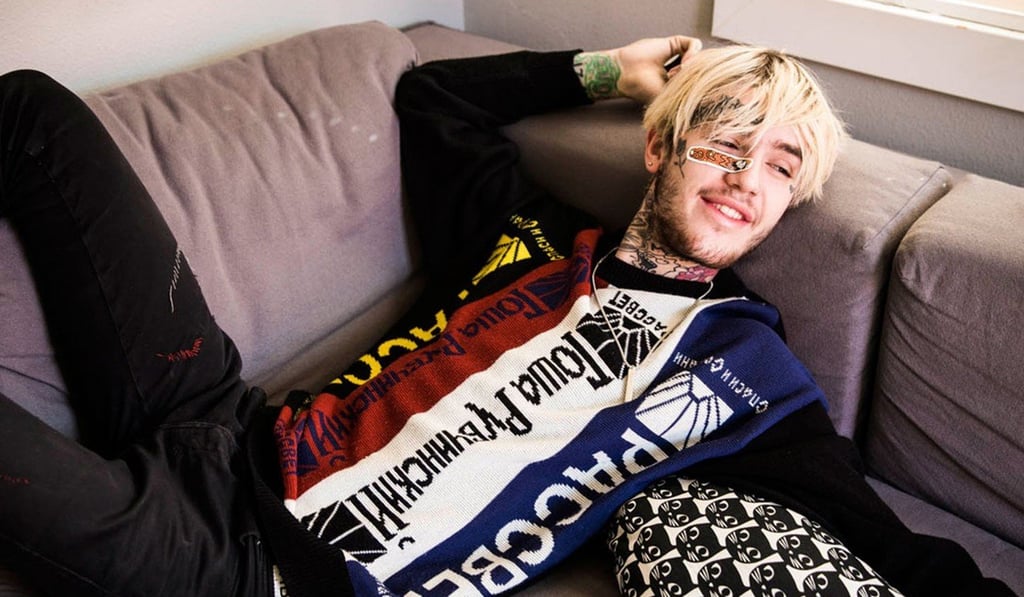
“When I think of Lil Peep, I think of a big broken heart that has been delicately patched, sewn, stapled, safety pinned and stuffed all back together, which he wasn’t afraid to wear on his sleeve,” says Josephine Lee, better known by her Instagram fans as @princessgollum. “This is very apparent in everything he touched and shared with the world, from his music to his art to his personal relationships and to his style … he wore a sense of humour and found the fun in the darkest places. He wore his nostalgia for the 2000s and his love for 2017. He wore his music, heart and soul,” she adds.
A post shared by josephine 진주 lee (@princessgollum) on Oct 9, 2017 at 4:46pm PDT
He wore a sense of humour and found the fun in the darkest places