Can Chinese electric planes take off?

Electric jets could help China accelerate aviation links
The concept is familiar: Replace car journeys with high-speed, electric-powered travel for the masses. China does it with a famous (and famously expensive) high-speed train network. Last week, the Boeing Co. and JetBlue Airways Corp. invested in another idea: electric planes.
If their bet pans out, travellers could start making their first trips in the Teslas of the air in a decade. That could transform the way great swathes of the world get from point A to point B – to everyone’s benefit.
Electric planes aren’t a new idea, of course; evangelists have promised their imminent arrival for decades now. But recent advances, particularly in batteries and electric propulsion, make the possibility far more realistic. Boeing and JetBlue were confident enough in the technology to back Zunum Aero, a Washington-based startup that hopes to complete a battery-powered jet by 2020.
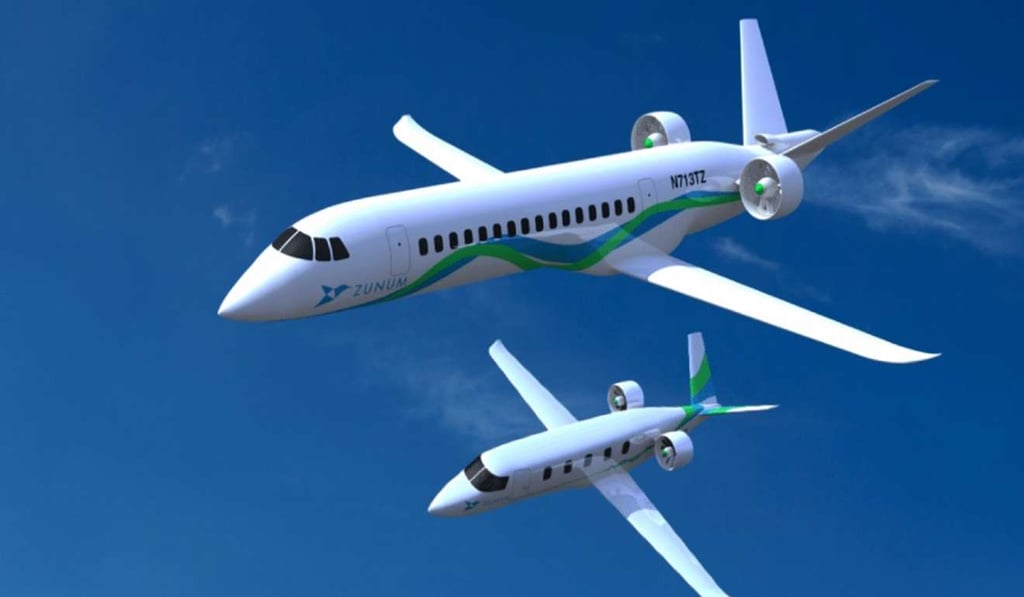
The need is very real. In theory, by virtually eliminating fuel costs, electric planes would make currently unprofitable routes viable. According to the FAA, roughly 70 per cent of US commercial passenger air traffic passes through just 30 airports. This hub-and-spoke system leaves the commuters who use small, regional airports stranded. Airfares at these smaller airports tend to be significantly higher and, in many cases, subsidised by the government. (The Trump administration wants to end those subsidies.)
Rather than flying, Americans thus take slow-moving cars for more than half of all trips under 750 miles (or drive long distances to cheaper, busier airports) in order to save money. That’s not only inefficient, it’s also terrible for the environment: Cars generally burn more fuel per passenger than planes.
QuickTake Batteries
Big developing countries such as India and China are only now beginning to develop long-distance car cultures. If they follow the US model, at far greater scale, both their already smoggy skies and their ambitious emissions targets will suffer. Electric jets could help them accelerate the process of building aviation links to less-developed rural areas. In effect, such planes could become the high-speed, low-carbon competition for long car rides, expensive commuter rails and trans-city buses.
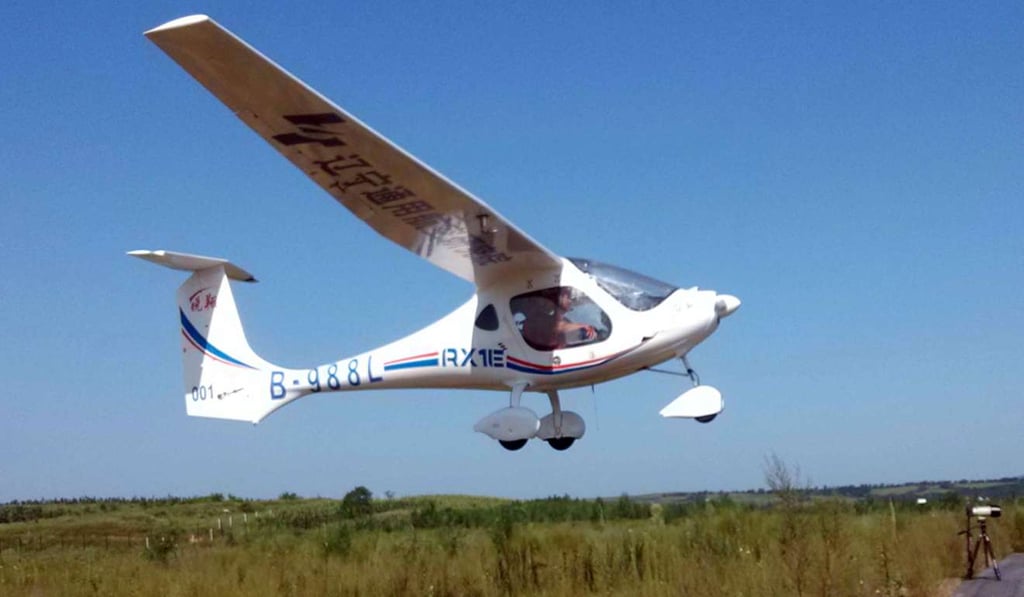
Until quite recently, electric-powered flight seemed like a stunt more than a pathway to the transportation future. Solar-powered aircraft, for example, are great at raising awareness, but not at moving people around, much less in comfort.