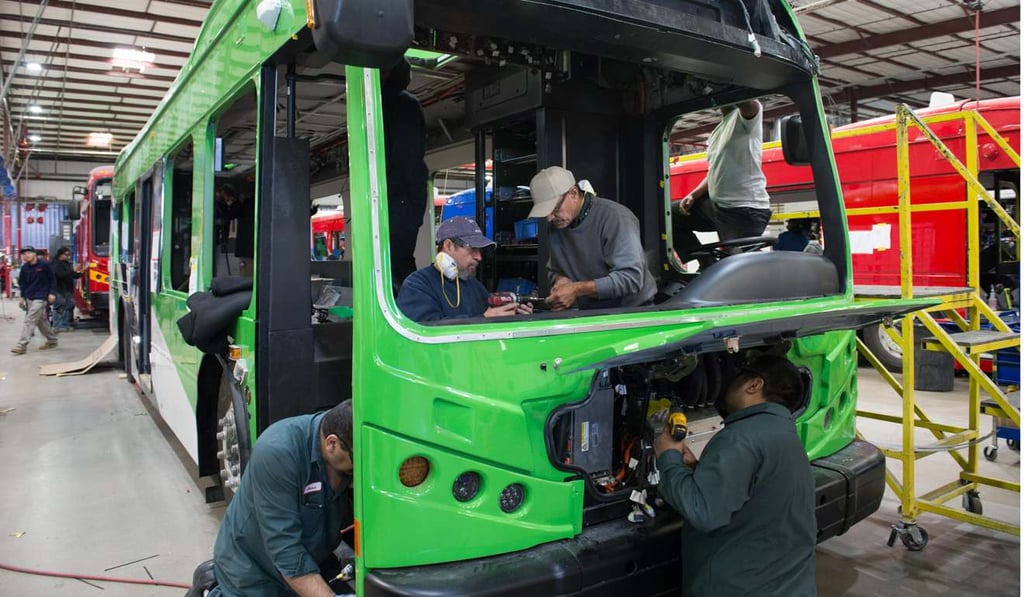
Chinese electric cars set to make waves at Shanghai Motor Show

Almost every car brand is showing at least one electric concept vehicle at the upcoming Shanghai Motor Show
China’s auto industry is charging ahead with aggressive plans to electrify cars even as policymakers scale back subsidies aimed at building sales from relatively low levels and consider tapping the brakes on sales quotas for plug-in cars.
Industry executives will use the Shanghai Motor Show, which opens to the public on Friday, to show off numerous battery electric and plug-in hybrid models. But behind the scenes, many are worried that batteries capable of delivering the same driving range as gasoline cars are still too expensive.
While green energy car sales have risen dramatically on the back of government policies, making China the world’s leading market in this segment, electric cars have otherwise generated little consumer interest. They make up less than 2 per cent of China’s overall auto market of 28 million vehicles sold last year.
The dominant players in China’s electric vehicle market are local, including state-owned Beijing Automotive Group, and Warren Buffett-backed BYD. Most cars are relatively cheap with limited range.
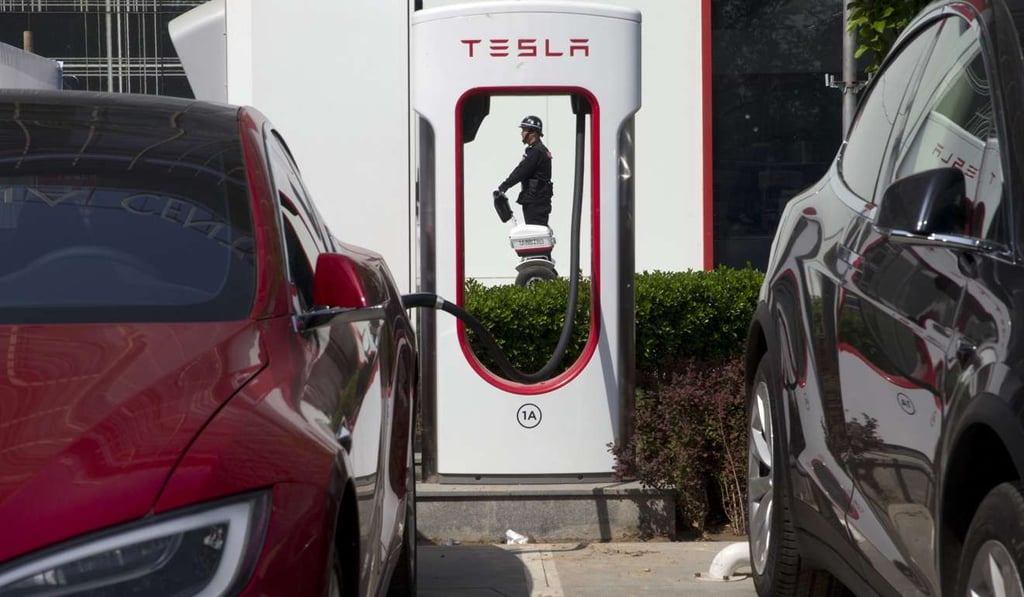
Beijing’s central government has floated proposals to require automakers to substantially boost sales of so-called “new energy vehicles” (NEVs), or risk being penalised. But at the same time, it is cutting subsidies on green cars by a fifth this year, a move that could deepen manufacturers’ losses on such models and discourage consumers from buying them.
Policymakers say reducing subsidies gradually to 2020 will wean automakers off government support and create a self-sustained market for electric vehicles. Industry officials and experts reckon tightening fuel efficiency regulations through 2020 will compel car makers to rely more on electrification to boost average fuel efficiency despite the drop-off in subsidies.