3 reasons why China’s viral video app Douyin is not good for luxury brands

More than half of the users are from third- and fourth-tier cities, it’s not easy to target specific users, and prices for official campaigns have risen
This article was written by Lauren Hallanan and originally published in Jing Daily
In 2018, it seems like everywhere you turn in China, people are talking about Douyin. The social media app lies halfway between Musical.ly and Snapchat, offering users the opportunity to post and send photos, live-stream videos, and lip sync along to the music. The platform’s popularity has skyrocketed, now with 150 million daily active users and has consistently commanded a top spot in the China Apple App Store’s video platform category.
The app’s popularity has led many luxury brands to consider if they need to jump on the Douyin bandwagon. Despite its appeal, many argue the mainstream app is unable to meet the needs of a luxury brand. Here Jing Daily gives three reasons.
1. Demographics have changed
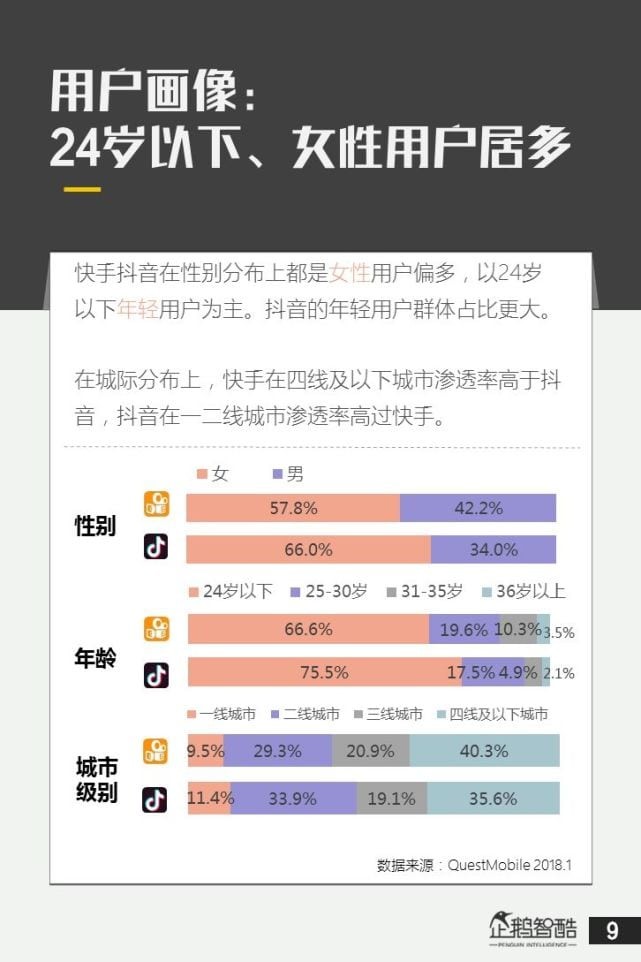
Late last year, most Douyin’s users were young women from first- and second-tier cities, with a relatively high level of disposable income – a key demographic for luxury brands. However, a study issued by Penguin Intelligence in April this year showed that as a result of the app’s rapid expansion, there has been a shift in user demographics.
While there has been a small shift in age demographics, with more male and female users aged 25-30 than before, the main change is in users’ geographic locations. The Penguin Intelligence report shows that a total of 54.7 per cent of users are now in third- and fourth-tier cities, with 45.3 per cent of users in first- and second-tier cities.