Coloured diamonds are rare, but you don’t need to be a billionaire to buy them in Hong Kong

Black, brown, chocolate and Champagne tones trending while colour-changing ‘chameleon’ stones are always a pleasure to own
You don’t need to be a billionaire to own a fancy diamond, though the millions paid for large specimens in recent auctions might lead you to think so.
Fancy diamonds command a premium because of their rarity, but they also come in sizes small enough to be realistic acquisitions for most jewellery lovers. They are not investment pieces on the same scale as large pink, red, green or blue diamonds, but in finished jewellery they are a pleasure
to own.
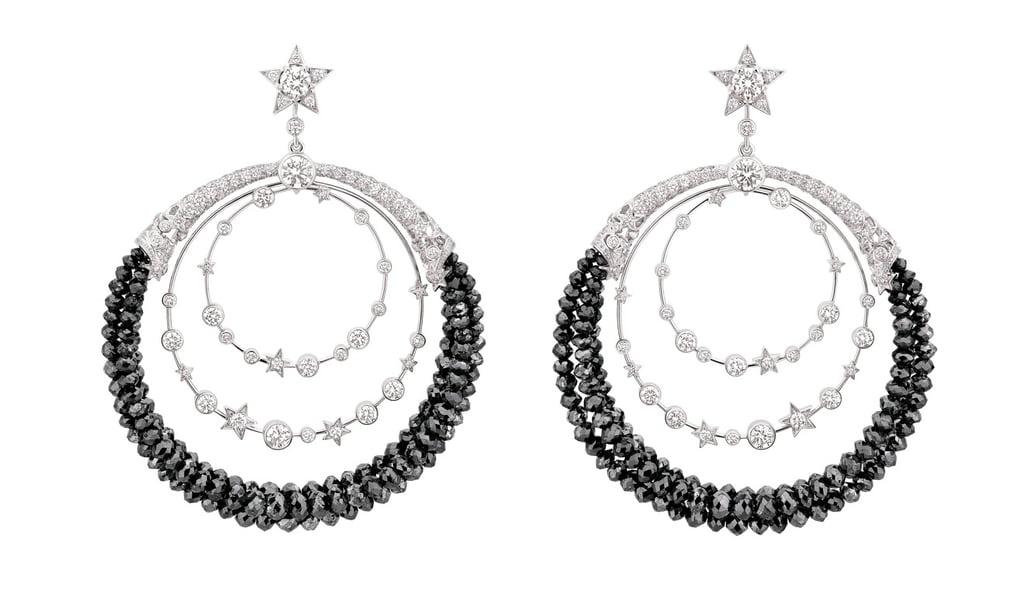
Fictional and lead character Sex and the City Carrie Bradshaw was very excited when Mr Big gave her a black diamond engagement ring as something out of the ordinary. In white metal, and teamed with white diamonds, a black diamond is sensational. It is also a great choice for men’s jewellery.
Black solitaires have not always found favour in the Asian market, though jewellery in combinations of black and white pavé diamonds were a fashion statement, years ago.
In every specification except for the colour, which comes from graphite, black diamonds are the same as any other diamond. They are found mainly in Brazil and the Central African Republic. There are plenty of heat-treated black diamonds out there, retailing at around US$300 a carat. If you favour a natural fancy black diamond certified by the Gemological Institute of America (GIA) or another reputable body, you could pay around US$2,500 to US$3,000 per carat.
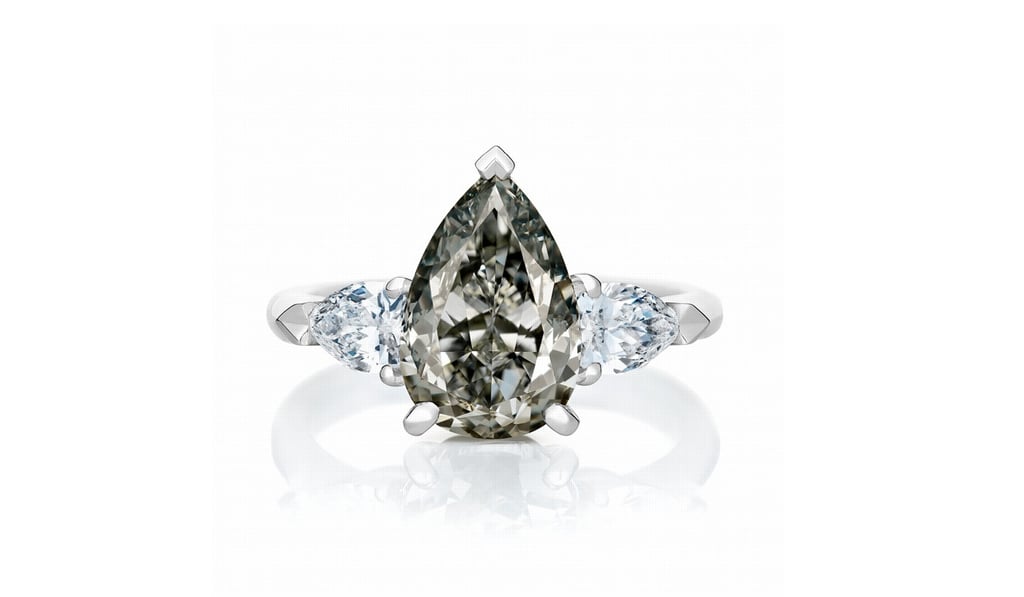
Brown diamonds are similar in price to black diamonds but much more fascinating in their range of colours. The price is influenced by the intensity of colour and also by secondary colours. This variability also means that different brown diamonds appeal to different people.
There is the pure dark brown, marketed as “chocolate”, the yellow- or pink-tinged brown marketed as “Champagne” and the orange-tinged brown marketed as “Cognac”. The brown colour ranges from pale, known as C1, to dark, the darkest known as C7. They are found in quantity in Australia, South Africa and Brazil. The secondary colour is important. For example, as pink is more rare than yellow, a secondary pink tone makes the brown diamond more expensive than a brown with a secondary yellow.