As Japan's mafia fades away, what does a former yakuza do in a life after crime?
Former yakuza bodyguard has become anti-gang campaigner who helps criminals turn away from fading mafia.
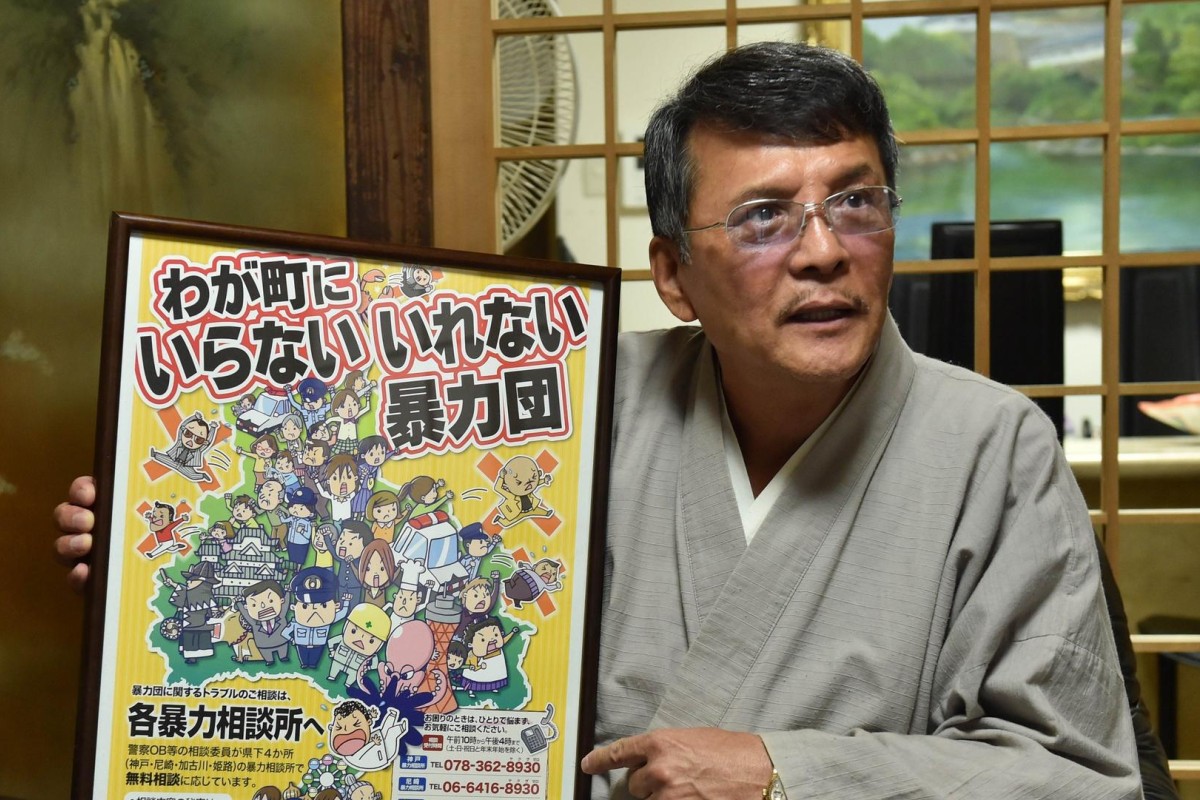
A decade after retiring from a life of crime, Satoru Takegaki now spends his days helping other ex-gangsters find regular jobs and adjust to life outside Japan's notorious yakuza mob.
The former mafia boss bodyguard hopes he will see a lot more disaffected yakuza on the doorstep of his anti-gang support group, as Japan's notorious underworld faces its biggest shake-up in years.
In September, the Yamaguchi-gumi, Japan's largest organised crime gang, was shaken by the high-profile defection of about a dozen top leaders who formed their own group.
The split prompted police warnings of a possible repeat of a 1980s gangland bloodbath, but also revealed the internal struggles and fading influence of the Japanese mafia, once infamous for a rigid honour system that called on them to chop off fingers for even minor transgressions.
"Looking back, there was nothing to earn by being yakuza, except for some temporary pleasure," 64-year-old Takegaki said. "We no longer live in a world where yakuza can do business in the open. They're no longer needed."
Observers said the turbulence highlights the fact all is not well in Japan's quasi-legal organised crime groups, as a poor economy and steadily falling membership hurt the bottom line.
Less organised rivals are also muscling in on traditional yakuza territory, while at the same time public tolerance for their actions is disappearing.