Manga legend Mizuki forced to depict Japanese victories not war horrors in comics, private journal reveals
Shigeru Mizuki died aged 93 in November 2015 and the essay was recently discovered in his papers by his daughter at his former home in Tokyo

An unpublished essay penned by arguably Japan’s best-loved manga artist reveals the late Shigeru Mizuki’s frustrations at being forced to depict Japanese victories in his post-war works.
A veteran of the war, Mizuki contracted malaria after being sent to Papua New Guinea in 1942 and saw his fellow soldiers die from their wounds or disease. The sole survivor of his unit, Mizuki eventually left the army when he lost his left arm in an Allied air raid.
After the war, Mizuki taught himself to draw with his other hand and resumed a career as an artist. He later specialised in manga featuring ghosts and ghouls and became famous for the GeGeGe no Kitaro series.
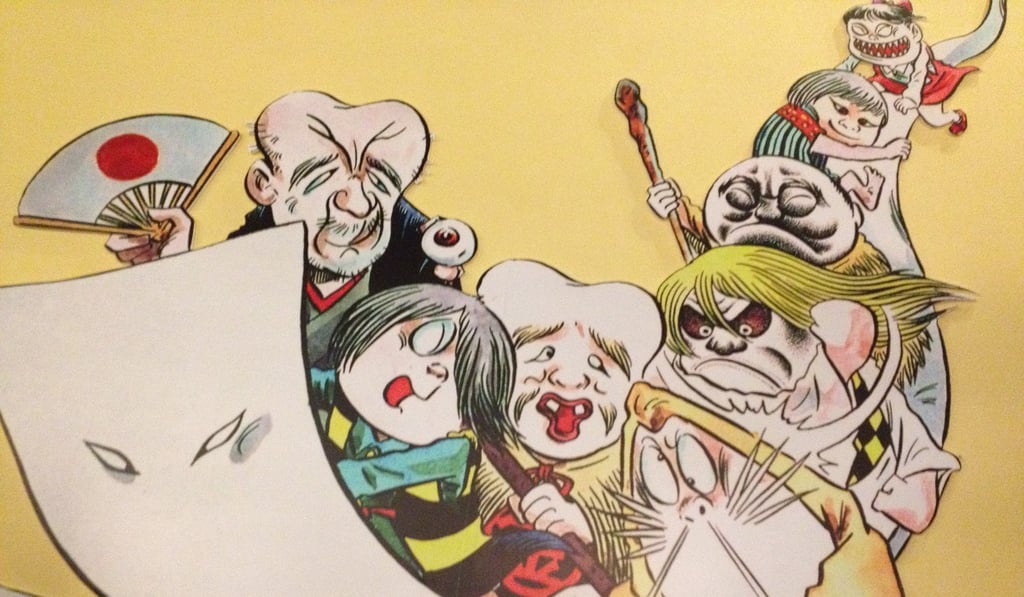
Earlier in his career, however, he had been obliged to make ends meet by telling tales of heroic actions and sacrifices made by ordinary soldiers during the war.
Mizuki died aged 93 in November 2015 and the essay was recently discovered in his papers by his daughter at his former home in Tokyo.