‘The dinosaurs are dying out’: why the #MeToo meteorite needs to crash down on Japan like in South Korea
The global movement has spread like wildfire in neighbouring South Korea, but Japanese women have not been as quick to make such public allegations against male abusers

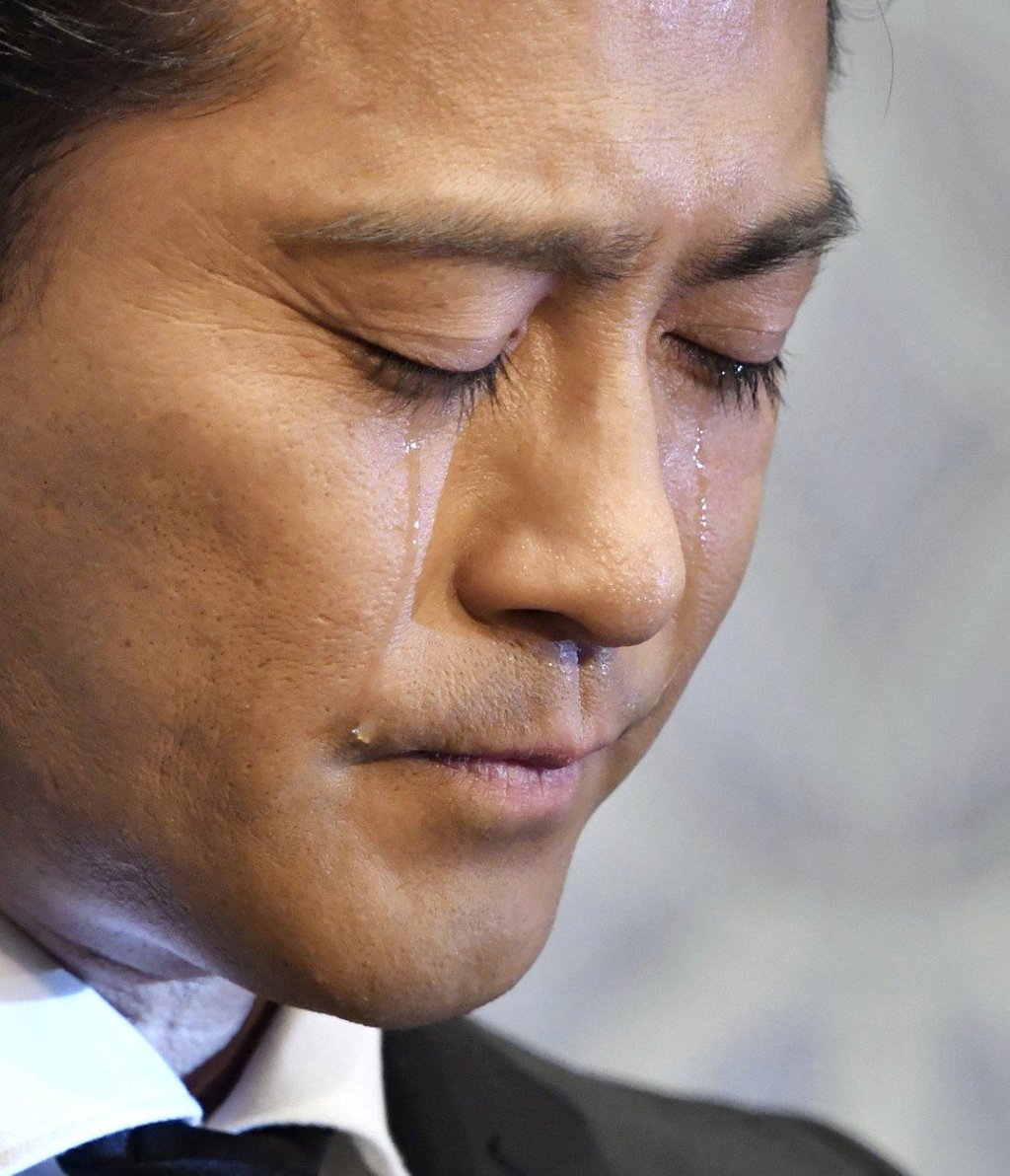
With his head bowed and tears streaming down his face, Tatsuya Yamaguchi earlier this month revealed he had been hospitalised for drinking-related problems and would leave the hugely popular boy band Tokio after being accused of forcibly kissing a female fan who he invited to his flat.
An apology and compensation were enough for the girl to withdraw her complaint and for prosecutors to drop the case, but the divorce from the four-strong pop group became final on Sunday when the 46-year-old quit the band and their agency, Johnny & Associates.
Japan’s #MeToo movement has been far more low key than in other parts of the world. Nevertheless women here believe younger generations of Japanese men are now far more likely to regard them as equals and partners, rather than “merely female”.
“The dinosaurs are dying out,” said Noriko Hama, a professor of economics at Kyoto’s Doshisha University. But she added: “We just need a meteorite or two to get rid of those who are too stuck in their ways to change.”
Japan’s #MeToo campaign has been almost glacial when compared with neighbouring South Korea, where a string of explosive allegations have been levelled against dozens of men in politics, music, literature and academia over the past six months.