Times are tough for Japan’s poor yakuza. They’re stealing melons
Gangs have traditionally made their money from extortion rackets, illegal gambling, the sex trade and drugs

Japan’s feared “yakuza” underworld groups are experiencing such dire economic straits that some gang members have been reduced to poaching sea cucumbers and plundering farms of fruit to sell to shops or market traders that do not ask too many questions.
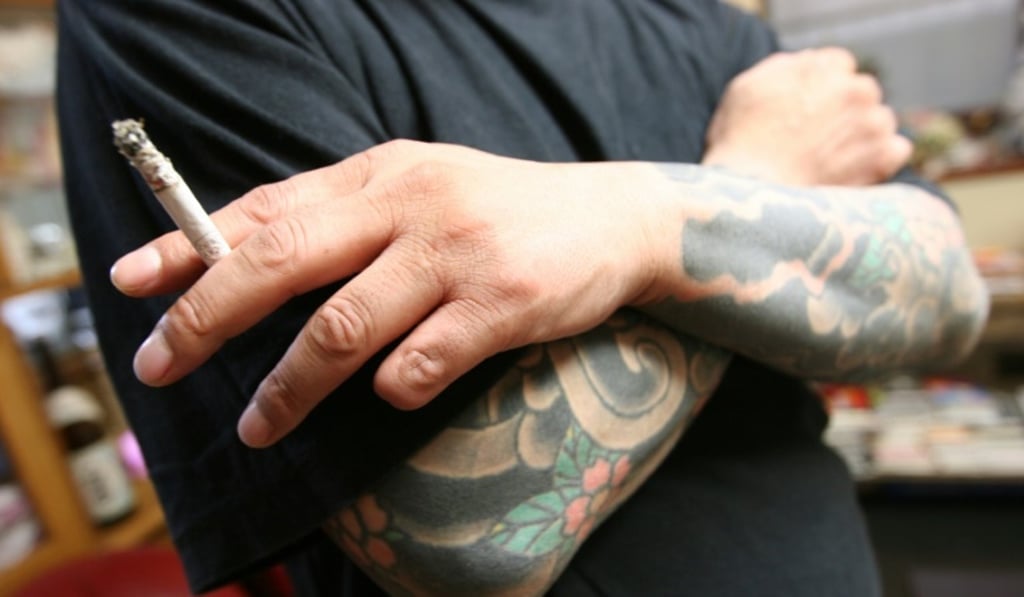
More renowned for their tattoos and a willingness to do battle with their rivals for a lucrative urban turf, yakuza have traditionally made their money from extortion rackets, illegal gambling, the sex trade and drugs, although legislation introduced over the last decade has forced some gangsters to go straight and dissuaded others from joining up.
Things have been tougher for those with limited workplace skills and a police record, which is perhaps why they have taken to pilfering, poaching or shoplifting – crimes that would have been unthinkable to a proud yakuza not long ago.
Membership of Japan’s various underworld groups declined to a record low of 34,500 in 2017, according to the National Police Agency, the 13th consecutive year that numbers have fallen and the lowest total since statistics were first compiled in 1958.
Across Japan, membership was down by around 4,600 from the previous year, with those identified as “core members” of yakuza groups standing at 16,800.