Philippines near ground zero in emerging market rout as peso falls to 2008 crisis levels

Asia’s emerging markets have faced outflows since Donald Trump won the US presidential election earlier this month. The Philippines is ground zero for the rout as a resurgent US dollar and Manila’s still-expensive stock market have made it even more vulnerable, with the peso plunging to an eight-year low.
The currency of the Southeast Asian nation reached 50 to the dollar for the first time this decade on Thursday and headed for its biggest annual loss since 2013. While equities are poised for their worst month since August 2013, valuations are still the priciest in Asia.
A Bloomberg gauge of the dollar is heading for the strongest close since at least 2005 amid speculation the president-elect’s policies will push the Federal Reserve to undertake a faster pace of rate increases.
“Emerging markets globally are experiencing fund withdrawals, but what makes the Philippines different, or vulnerable, was its valuation,” said Smith Chua, chief investment officer at Bank of the Philippine Islands, the nation’s second-biggest money manager with the equivalent of $12 billion in assets under management.
“The foreign-exchange movement has also been a significant factor for overseas investors. As the year is heading to a close, some of them want to lock in their gains before the peso weakens further.”
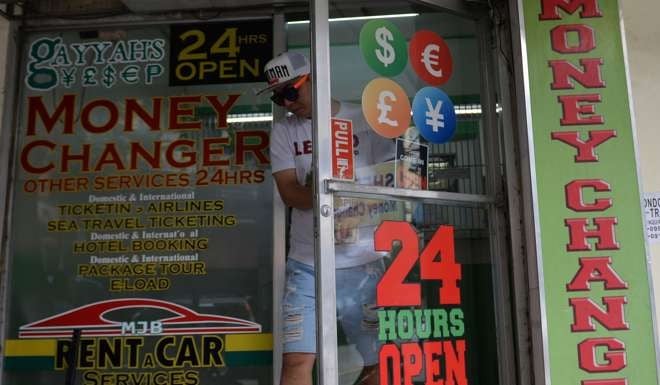
The last time the Philippine peso neared 50 to the dollar in 2008, the global financial system was melting down and the central bank raised interest rates to defend it.