NewSmoking keeps China’s poor mired in poverty, global agencies say
From buying cigarettes to paying hospital bills and losing a breadwinner, the economic burden of tobacco use is crippling, says UN and WHO

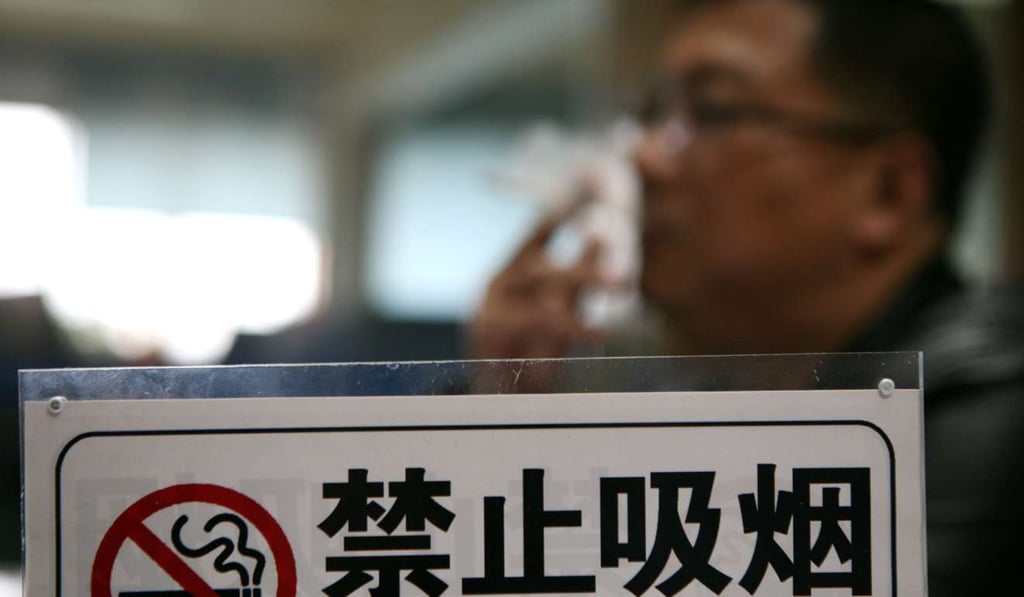
China’s addiction to smoking is dragging low-income families further down the economic ladder and could prevent Beijing from hitting its poverty-reduction target, two leading global agencies warn in a new report.
Chinese leaders have repeatedly vowed to eliminate poverty – defined as earning less than 2,300 yuan (US$335 or HK$2,600) a year – and build a “moderately affluent society” by 2020. But tobacco use diverted household funds away from basic necessities such as food, education, medical care and insurance, the World Health Organisation and the United Nations Development Programme said in the study released in Beijing on Friday.
Smoking also sapped household incomes when a breadwinner died from tobacco-related illness, the agencies said. Treating related diseases such as lung cancer added to the financial burden, especially for families whose public health insurance did not cover the full cost of treatment.
“The health and economic impacts of tobacco use are a direct threat to this goal being achieved, by forcing many Chinese families into poverty, and preventing others from escaping it,” the report said.
“Harmonious and human-centred development, which is the central goal of the Chinese government, requires leaving tobacco addiction behind,” said Nicholas Rosellini, resident representative of the UN Development Programme in China.