Is Trans-Pacific Partnership trade deal really as dead as Trump and Clinton say it is?
Analysts say there are plenty of examples of candidates changing their tune once they become US president

Hillary Clinton and Donald Trump squared off on a host of issues in their presidential debates but there was one – the fate of the Trans-Pacific Partnership (TPP) free-trade agreement signed by the US government early this year – on which they appeared to agree.
Both US presidential candidates have repeatedly claimed they oppose the landmark deal, which is aimed at promoting economic growth and slashing tariffs on trade among 12 Pacific Rim nations, with the notable exclusion of China.
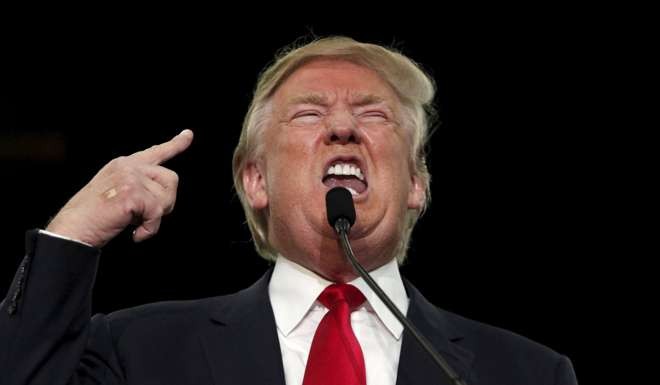
Despite all the anti-TPP election rhetoric, many analysts still say the next US president is likely to adopt the pact, albeit under a different name and with possible alterations.
“I think being candidates and being presidents are two very different things. We’ve had a lot of examples in the past,” said Elizabeth Economy, director for Asia studies at the New York-based Council on Foreign Relations. “People who say they’re going to do one thing when they’re campaigning end up doing the exact opposite once they’re sitting in the White House.”
Scott Kennedy, deputy director of the Freeman chair in China studies and director of the Chinese business and political economy project at the Washington-based Centre for Strategic and International Studies, said that if she was elected, Clinton would seek renegotiation of the TPP, perhaps calling it something else, and change some of the United States’ starting positions on certain issues.