As Asean chair, Philippines faces dilemma over what agenda to push
Manila could focus talks on the South China Sea dispute, but Duterte is expected to also seek help on issues tied to his domestic policies, including drugs and terrorism

After taking over the chairmanship of the Association of Southeast Asian Nations (Asean) this year, the Philippines has again found itself at the centre of regional politics.
Manila is under growing pressure to ensure unity among member states and reassert the centrality of the organisation body in defining security.
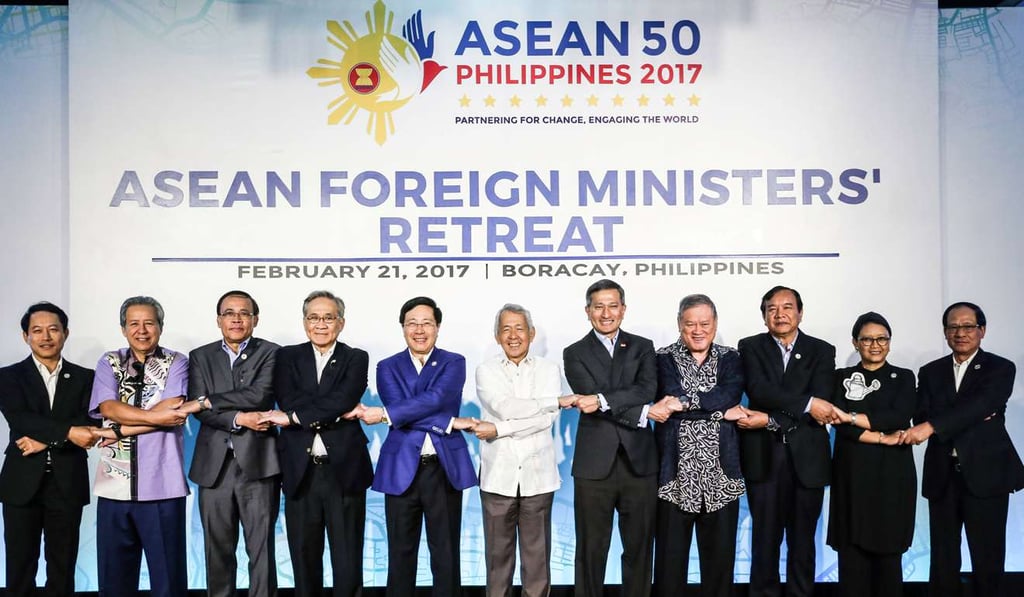
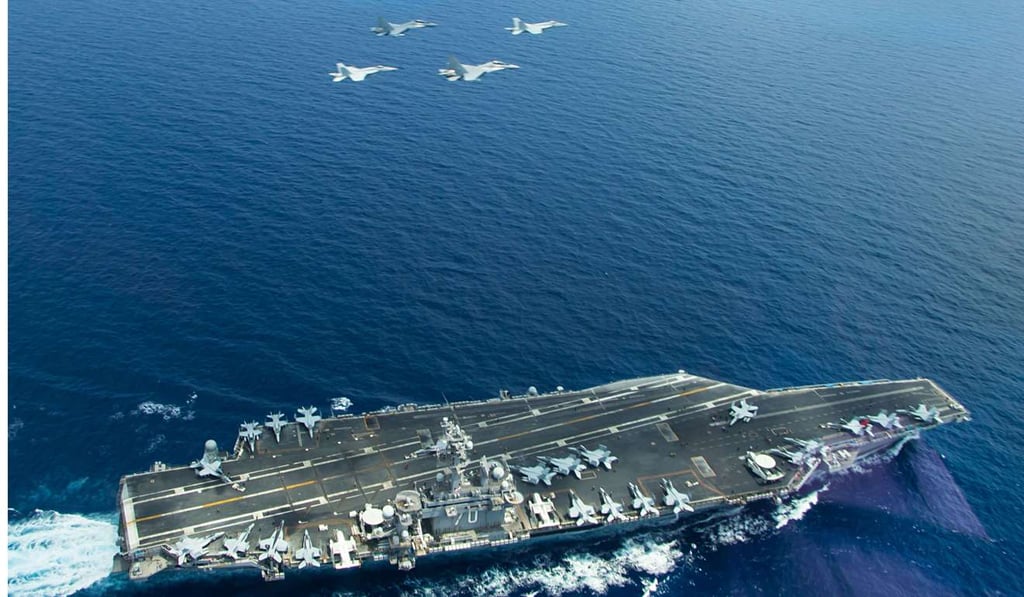
The South China Sea disputes, in particular, will certainly test the Philippines’ ability to lead the group and balance competing interests. This was evident during the bloc’s foreign ministers meeting last week in Boracay, where Southeast Asian countries expressed unanimous concern over “very unsettling” militarisation of maritime disputes, especially the decision of certain claimant states to place advanced weapons systems on disputed land features in the South China Sea.
Asean is scrambling for a unified and coherent response. As bloc chairman, the Philippines faces a dilemma. It can use its leverage to place its preferred issues at the centre of the discourse, but if it wants to be seen as a responsible chairman, Manila should respect the diverse interests of member states, not all of whom see eye-to-eye on issues that concern sovereignty.