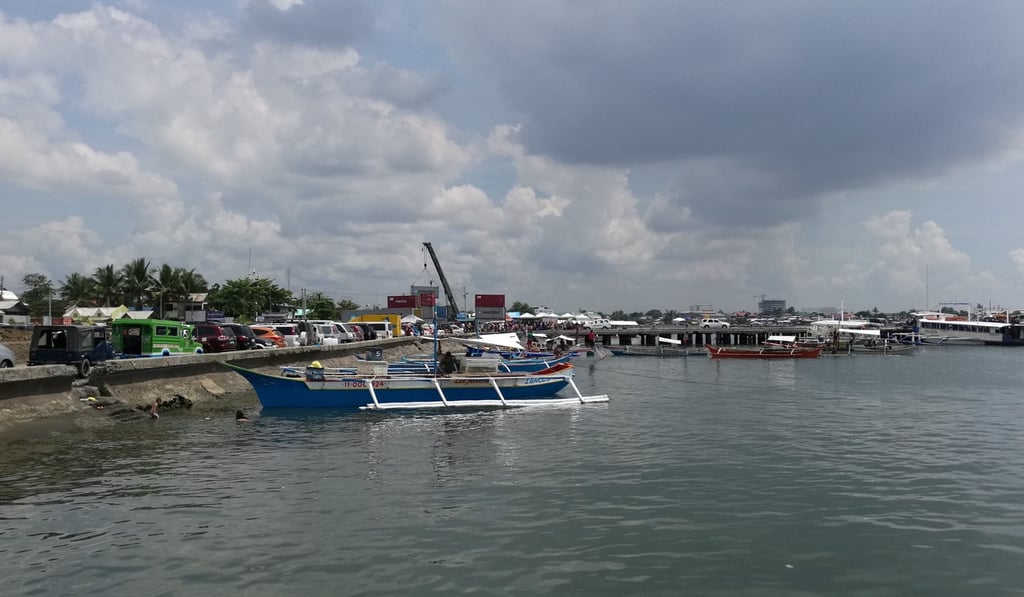
Duterte’s dilapidated hometown to get makeover with China’s ‘Belt and Road’ investment
Philippine president can cut red tape in Davao but observers warn of project delays elsewhere

A flurry of Chinese-invested projects is poised to turn Philippine President Rodrigo Duterte’s dilapidated hometown of Davao into a Southeast Asian springboard for Beijing’s grand “Belt and Road Initiative”.
The projects, ranging from an expressway to port development and railway construction, mark an improvement in Sino-Philippine relations following prolonged tension over competing territorial claims in the South China Sea.
But agreements on many of the Davao projects were reached only in recent months, and none have started. There’s also uncertainty about how long the economic rapprochement can last amid deep distrust of Beijing by ordinary Filipinos.
“Beijing and Manila have just restored diplomatic ties from poor relations. We still lack trust on both sides. There are a lot of people in the Philippines suspicious of Chinese intentions,” said Professor Aileen Baviera, an international relations expert at the University of Philippines Diliman.