China, Pakistan and the challenges of Silk Road connectivity
Scepticism fuelled by Pakistan’s latest anti-dumping ruling against Chinese steel products complicates Beijing’s goal of an integrated trade strategy

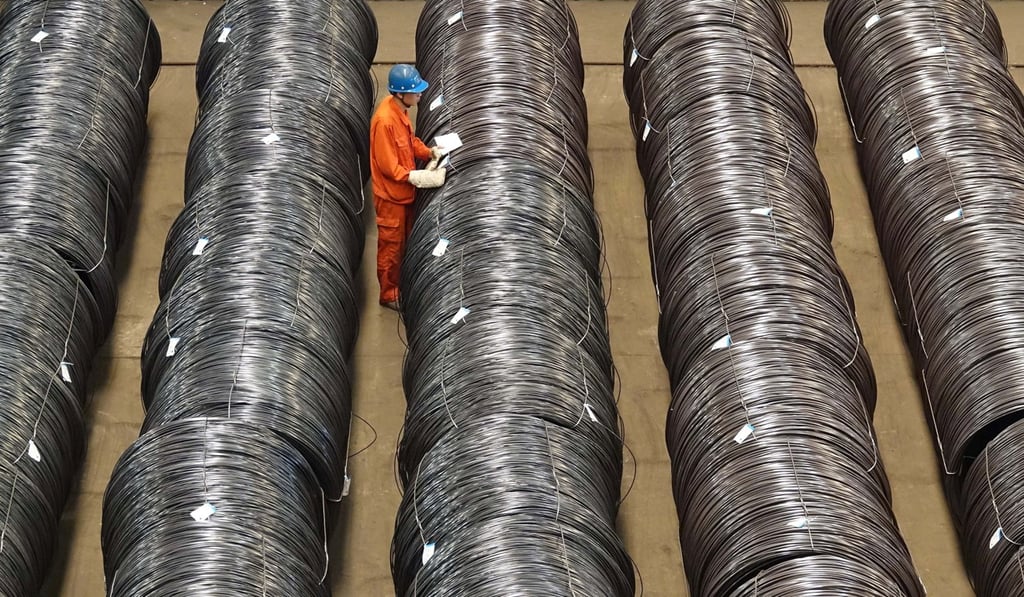
Connectivity is seen as a good thing for nations, but sometimes achieving it can be far more difficult and complex than expected, even for close allies, as Pakistan’s latest anti-dumping ruling against Chinese steel products shows.
Islamabad’s latest ruling against China – its “all-weather friend”, according to the official rhetoric – may fuel scepticism about China’s massive “Belt and Road” globalisation initiative. If China can’t persuade its close ally that Chinese exports of steel and infrastructure is a good thing, it will find it much more difficult to convince others.
Europe’s suspicion of Beijing’s top economic-diplomacy play was on view for the public after European Union delegates refused to fully endorse Beijing’s statements at the first Belt and Road summit in Beijing last month. That non-action came on top of a wary view from Washington, Tokyo and New Delhi on Beijing’s ambitious push.
“Pakistan, like every Belt and Road partner, wants its own industries to succeed,” said Jonathan Hillman, a fellow with the Simon chair in political economy at the Washington-based Centre for Strategic and International Studies. In particular, Islamabad hopes the China Pakistan Economic Corridor, a flagship project for the Belt and Belt push, will develop its own manufacturing and exporting operations and have two-way trade flows with China, he said.