China’s tough stance on India dispute raising concern across Southeast Asia, analysts say
Beijing’s handling of protracted conflict in Himalayas has had a spillover effect in the region and fuelled suspicion

The protracted border dispute between China and India in the Himalayas has created a “spillover effect” as China’s neighbours become unsettled by its tough handling of the escalating conflict between the two Asian giants, foreign policy experts have said.
China’s Foreign Minister Wang Yi and his Indian counterpart Smt. Sushma Swaraj are scheduled to attend the Asean foreign ministers’ meeting in Manila later this week. And while the North Korean nuclear crisis and South China Sea disputes are expected to dominate the meeting, analysts will also be keeping a close eye on how members of the 10-nation group interact with China and India.
The Association of Southeast Asian Nations generally regards a robust Indian presence in the region as a useful deterrent against China, which has been increasingly assertive in its approach to handling territorial issues, as has been the case in the Himalayas.
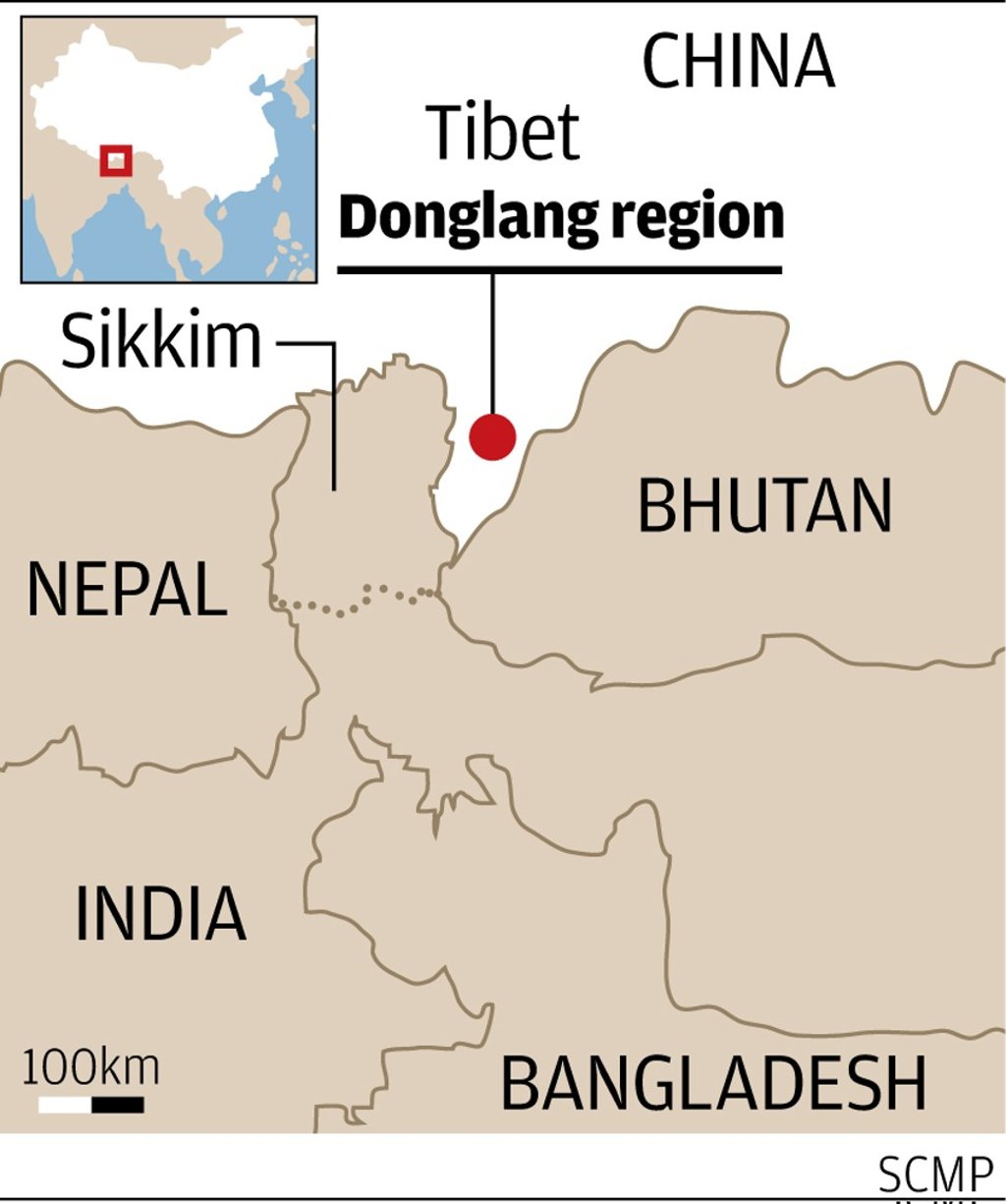
China and India last week held their first substantial talks since the dispute broke out more than a month ago in the Dolklam region, where the pair shares a border with Bhutan. Chinese State Councillor Yang Jiechi met Indian National Security Adviser Ajit Doval in Beijing, though neither showed any signs of backing down and tensions remain high.