Opinion | Resource-hungry China is in overdrive as it wages water wars by stealth
International pressure is needed to rein in Beijing’s dam-building frenzy and ensure it respects the environment and rights of downstream nations

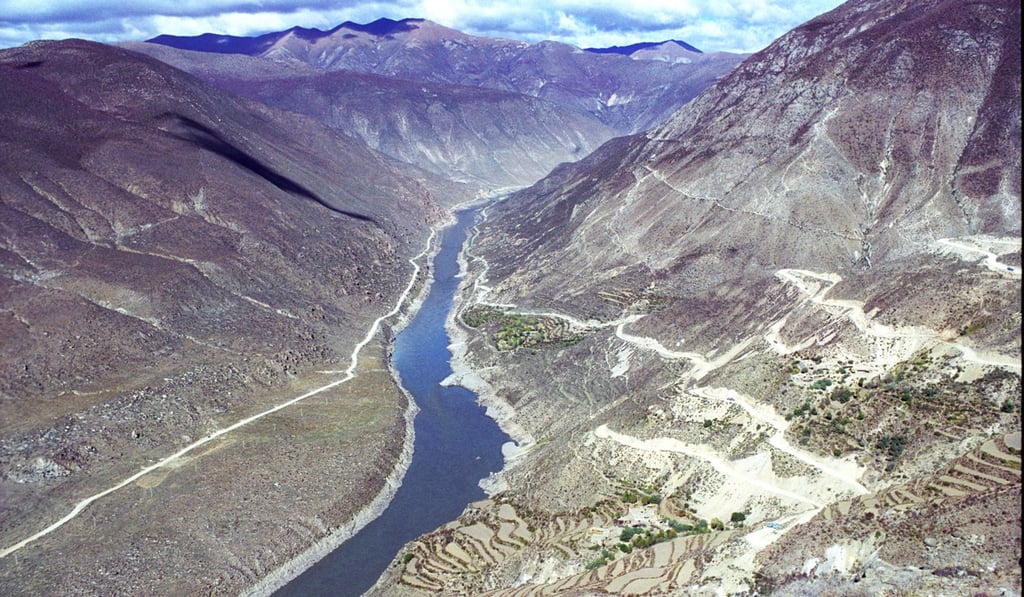
China’s hyperactive dam building is a reminder that, while the international attention remains on its recidivist activities in the South China Sea’s disputed waters, it is also focusing quietly on other waters – of rivers that originate in Chinese-controlled territory like Tibet and flow to other countries. No country in history has built more dams than China. In fact, China today boasts more dams than the rest of the world combined.
As part of its broader strategy to corner natural resources, China’s new obsession is freshwater, a life-creating and life-supporting resource whose growing shortages are casting a cloud over Asia’s economic future. Dams are integral to this strategy, although they have wreaked havoc on the natural ecosystems.
Dams in China now total 86,000, which means it has completed, on average, at least one dam per day since 1949. Nearly a third of these are large dams, defined as having a height of at least 15 metres (49 feet) or a water storage capacity of more than 3 million cubic metres (793 million gallons). The United States, the world’s second most dammed country with about 5,500 large dams, has been left far behind.
With the world’s most resource-hungry economy, China has gone into overdrive to appropriate natural resources. On the most essential resource, freshwater, it is seeking to become the upstream controller by re-engineering transboundary flows through dams and other structures. Its dam building has largely shifted from internal rivers to transnational rivers, such as the Mekong, Salween, Brahmaputra, Irtysh, Illy and Amur.
Just as the Persian Gulf states sit over immense reserves of oil and gas, China controls vast transnational water resources. By forcibly absorbing Asia’s “water tower”, the Tibetan Plateau, in 1951, it gained a throttlehold on the headwaters of Asia’s major river systems. Its actions in more recent years have sought to build water leverage over its downstream neighbours.