China’s military build-up may be a game changer for European arms transfers
Europe may need to think more strategically about its approach if a new camp does emerge in the Indo-Pacific region to counter growing Chinese influence

As Asia is arming, Europe is selling equipment to states in the Indo-Pacific while maintaining strict restrictions on transfers of military technology to China. It looks like taking sides, but it is more complicated than that. European exporters seek commercial opportunities and operate in a set of political constraints, but no clear strategic vision guides Europe’s approach to arms sales and controls over critical technologies. However, this could change in the coming years if the structure of the order in the Indo-Pacific region evolves towards open strategic rivalry opposing China to a quadrilateral camp composed of Australia, India, Japan and the United States seeking to counterbalance China’s military power and growing influence.
The build-up of the People’s Liberation Army is the most dynamic factor affecting the military balance in the Indo-Pacific. Looking at raw numbers only, the annual increase in volume of China’s official military spending is higher than the sum of Vietnam’s and the Philippines’ annual defence budget combined. And even though China does not provide statistics for its total spending on military-related research and development, it is widely estimated that it exceeds the defence budget of all states in Southeast Asia.
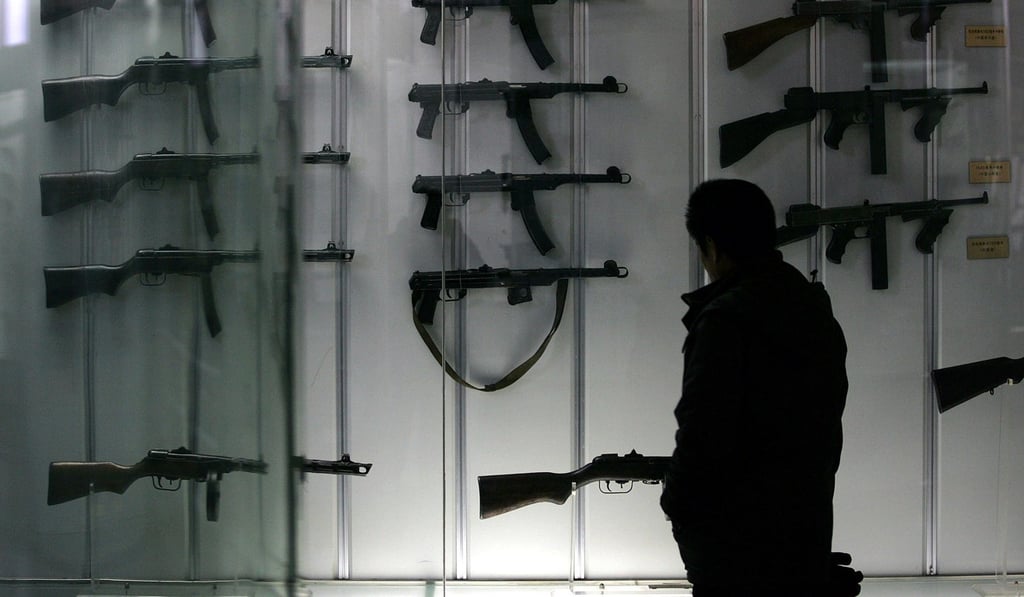
This widening power gap creates demand for European weapons systems and defence industry cooperation. Australia’s defence ministry has announced an 80 per cent increase of the country’s military expenditure by 2025. After a decade of budget stagnation, Japan is introducing far-reaching transformations of its military posture. The country could move to production of a land-attack cruise missile and is debating a possible transformation of its helicopter destroyers into aircraft carriers equipped with vertical landing versions of the F-35 fighter jet.
According to SIPRI data, India is by far the largest importer of arms for the period 2012 to 2016, accounting for 13 per cent of the international arms trade. Vietnam’s military is also upgrading, with a planned budget of US$6 billion in 2020, an increase of more than 30 per cent from 2015. Just as China has sought to deter a US intervention in the Taiwan Strait by seeking asymmetries, anti-access and area denial capacities, these states adjust their defence posture to China’s present and future power projection capacities. In many ways, their game is about avoiding an excessive imbalance that would leave them too vulnerable to China’s political leverage.