Are Chinese-funded dams on the Mekong River washing away Cambodian livelihoods?
Beijing’s spending on hydropower projects is welcomed by many poorer Southeast Asian countries, but it comes with a huge environmental and social cost, experts say

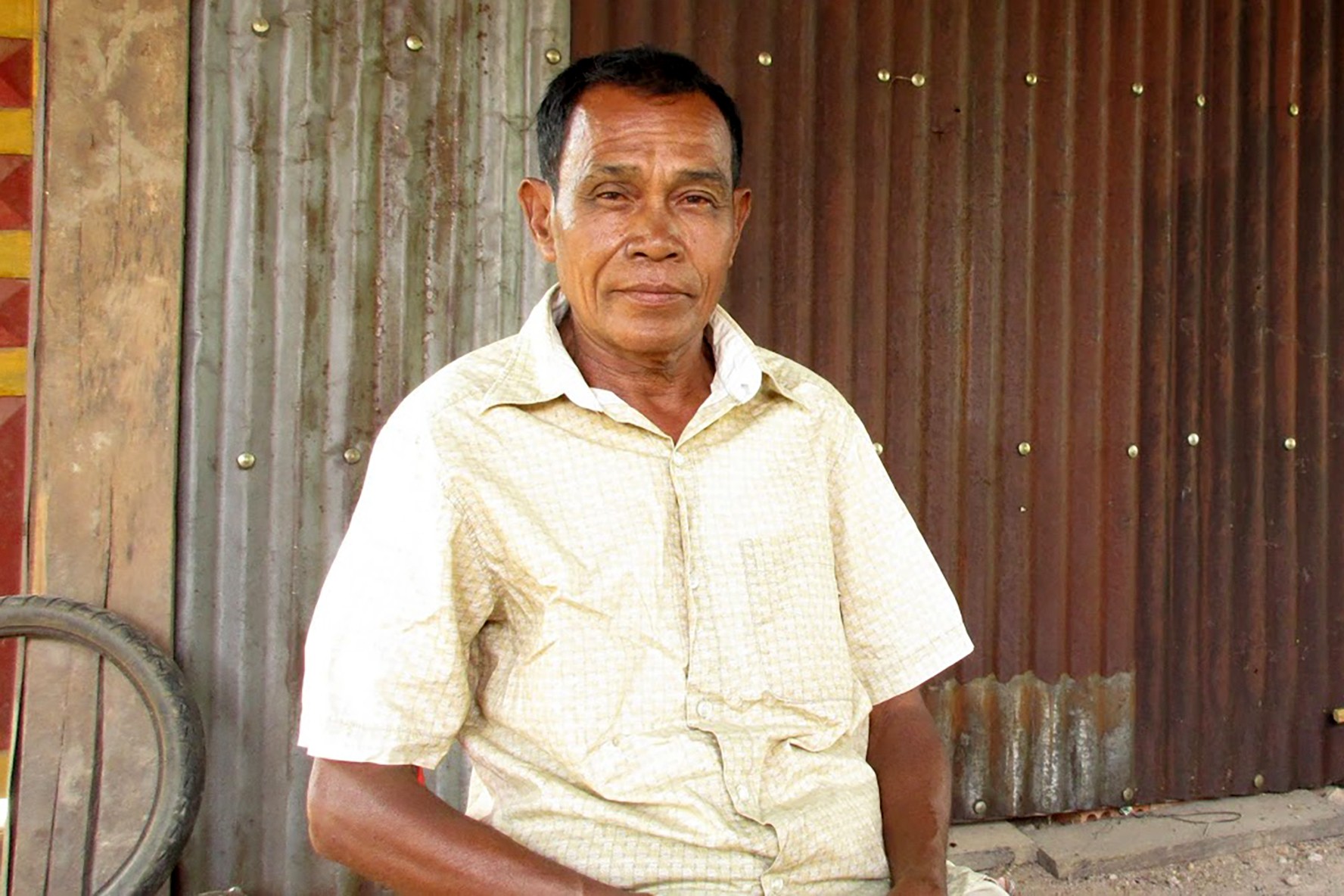
Like many other people living near the Mekong River and its tributaries in Cambodia, Khmer farmer Srey Ly Bik regards the waterways as life-sustaining.
Separated from his family during the Khmer Rouge’s brutal reign in the late 1970s, Srey Ly Bik travelled from place to place with a team of doctors, picking up rudimentary medical skills along the way, until he found his father in Kbal Romeas village on a bend of the Srepok River, a Mekong tributary, in 1979.
He met his wife there and they had six children. Thanks to the nutrient-rich sediment carried downriver, the soil was fertile and he was able to grow rice and vegetables.
But he had to leave in August 2015 after the government announced that his old village and a few nearby ones were part of the 75 square kilometres (29 square miles) to be flooded by the building of Cambodia’s biggest dam, the Lower Sesan 2.
“I went back to the old area a few days ago just to check the water level, and my old home has been totally inundated and I can’t even recognise where it is now,” Srey Ly Bik said.