Opinion | How a long-awaited hotline could pave the way for calmer China-Japan relations
Japan and China should use a new maritime and aerial communication mechanism to manage disputes with ‘professionalism, dialogue and diplomacy’, Michael Kovrig writes

Clouds of anxiety in East Asia over Donald Trump’s hawkish policy shifts showed a silver lining this past week with the first official visit by a Chinese leader to Japan in eight years. Premier Li Keqiang’s constructive meetings with Prime Minister Shinzo Abe were a welcome indication of progress after a year of intense bilateral diplomacy.
While some of this warming is rhetorical and reversible, there was at least one durable deliverable worth applauding: an agreement to set up within 30 days a maritime and aerial communication mechanism to avoid accidental encounters.
The new hotline it includes will connect Chinese and Japanese military chiefs via their embassies, enabling faster and smoother communication between decision-makers in case of an incident at sea or in the air.
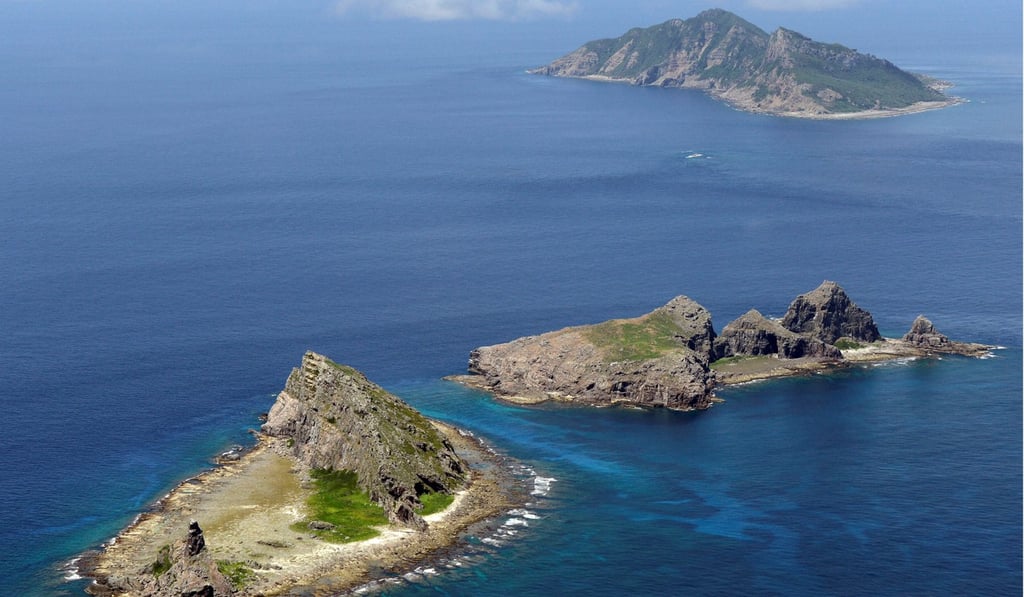
The pact also commits defence officials to hold regular meetings and implements a mechanism for their naval ships to communicate directly, in line with the code for unexpected encounters at sea, to which both are party.
The need for such crisis management channels is growing: China’s ambition is to become a maritime great power with a true blue-water navy. Its massive shipbuilding capacity has created the largest fleet in Asia, with some 300 vessels, while modernisation and reforms are increasing the range, frequency and complexity of operations.