Kim, the economy and why UN sanctions did not bring North Korea to the summit table
Although UN sanctions have limited growth, North Korea’s financial health – and the physical health of its people – seem to be stabilising

If top officials in Washington and Tokyo are to be believed, the application of “maximum pressure” through United Nations sanctions was decisive in bringing North Korean leader Kim Jong-un to the summit table.
Pyongyang has been the target of a string of UN bans from trade to travel for more than a decade, the toughest coming in September when they were expanded to cover crude oil.
Just six months later Kim sent a message offering to meet US President Donald Trump with no strings attached.
Senior US and Japanese officials credited the offer in large part to the international sanctions, which they maintained had battered the already beleaguered North Korean economy.
But there is evidence – anecdotal and data – that North Korea’s economy has stabilised over the past few years, and while UN sanctions are limiting its growth, the country is far from famine or total collapse.
Reliable data on North Korea is hard to get. But information from various sources suggests that it has been making noticeable improvement since Kim came to power in December 2011 – at least before a new round of United Nations sanctions began taking effect this year.
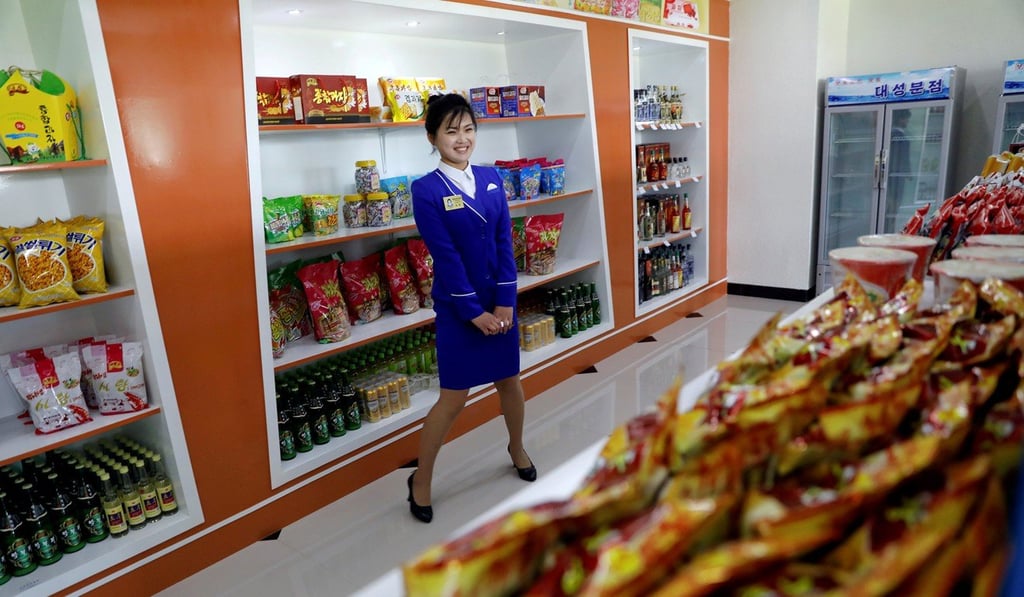
Park En-na, South Korea’s ambassador for public diplomacy, said the general picture was that North Korea’s economy was getting better.