
Opinion | The Shangri-La Dialogue takeaway: China’s rapid rise is redefining the Asian order like never before
The main narratives for the evolution of the Indo-Pacific theatre have their respective strengths and pitfalls, Richard Heydarian writes

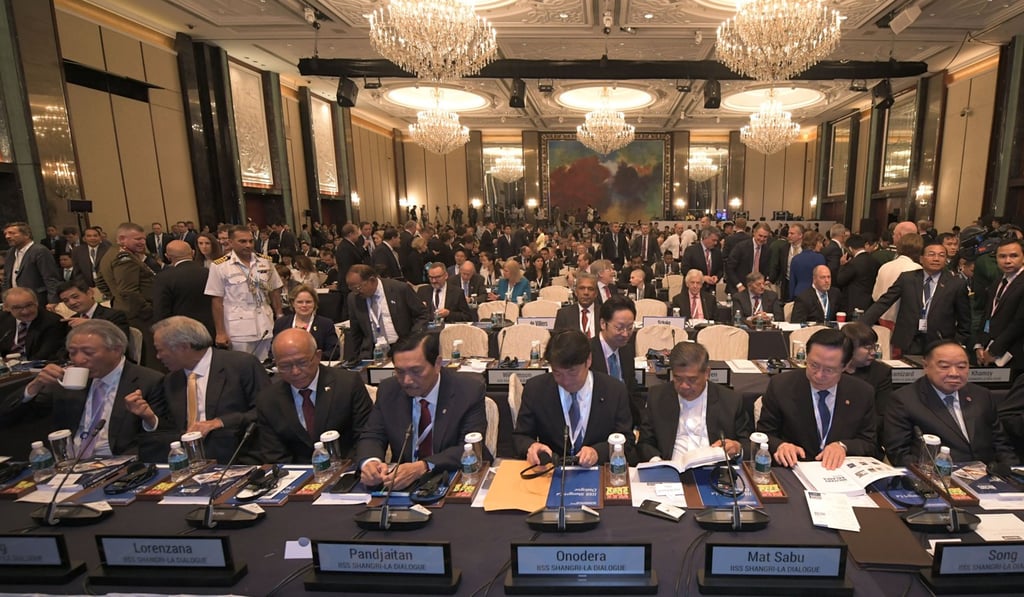
The contest for the soul of the Indo-Pacific theatre gained renewed momentum during the latest edition of the Shangri-La Dialogue in Singapore, where major powers put forward conflicting narratives of an ideal regional security architecture.
No less than Indian Prime Minister Narendra Modi kicked off the annual event, which brought together defence officials and policy experts from across the world, with a composed and confident keynote address. His speech, both measured and comprehensive, marked the emergence of India as a new pole of power in the world’s most dynamic region.
After centuries of strategic stagnation and insularity, we are finally witnessing the emergence of India as the other major rising power in the East. Throughout his speech, the Indian leader touted his country’s deep civilisational contributions to, as well as linkages with, South and East Asia, booming economic relations in more recent times, and burgeoning defence cooperation with powers both small and big across the vast continent.
Modi presented India as a global pivot state crucial to the maintenance of a “free and open” order. At the heart of his message was the ineluctable emergence of a post-American order, where a coalition of middle powers, rather than China, undergirded the Indo-Pacific security architecture.
Yet, Modi’s geopolitical vision, which seeks to transcend a “great power rivalry”, is just one of three central narratives on how the Indo-Pacific age will and should eventually look. And each carries its own strengths and pitfalls.