Trump’s tax cut plan poses a new threat to China
A lower US corporate tax rate could prompt companies to pull out of China and set up shop across the Pacific, analysts say

A tax cut planned by US President Donald Trump will be a test for Beijing in managing its capital outflows and its troubled manufacturing sector.
The Trump administration’s tax proposal, including cutting the corporate tax rate to 15 per cent and providing a one-time repatriation tax rate for trillions of dollars in international earnings stashed overseas, is aimed at luring US firms to remit overseas profits home and even to bring such operations back to the United States.
Beijing is already worried about a capital exodus following the US Federal Reserve’s interest rate increases and a retreat by manufacturers to lower-cost countries in Asia and Africa. Lower taxes in the US could make the situation even worse, putting pressure on the central government to be more serious about tax cuts and friendlier to investors.
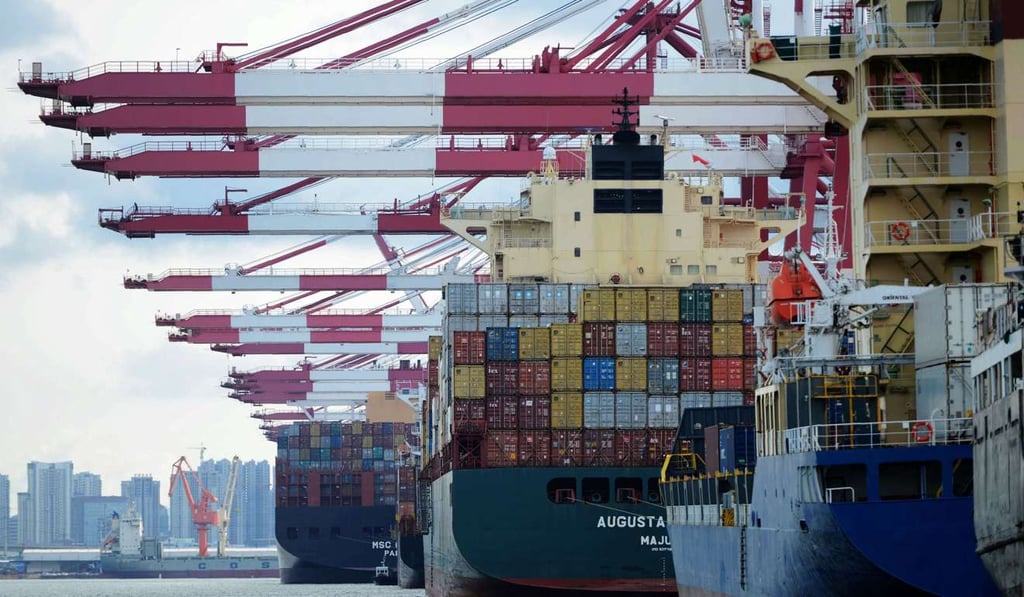
US tax changes, including possible tariffs on imports, would “lure more Chinese manufacturers to invest in the US and undermine the competitiveness of Chinese exports”, said Zhu Ning, deputy dean of Tsinghua University’s financial research institute. “China must speed up its economic transformation and give up its old growth model of relying on exports,” Zhu said.
While Trump hasn’t yet labelled China a currency manipulator or imposed tariffs on its imports, he is still trying to narrow the US trade deficit with China. As agreed at his meeting with President Xi Jinping in Florida this month, the two countries plan to negotiate on trade over the next few months.