China central bank’s dilemma: how much financial tightening is too much?
Nimble tweaks in the interbank market by China’s central bank have paved the way for a decision on how far and fast to continue with the policy

When China embarked on a massive credit stimulus in late 2008, the job of the People’s Bank of China became relatively easy: it just had to provide as much cheap credit as banks wanted in the interbank market.
China’s central bank faces a much trickier situation now. On the one hand, it must become less generous in giving funds to banks and needs to allow rates to rise so that financial risks won’t worsen. On the other hand, it must be careful not to overdo its more parsimonious approach to avoid causing a money-market crunch or hurting on-the-ground economic activities.
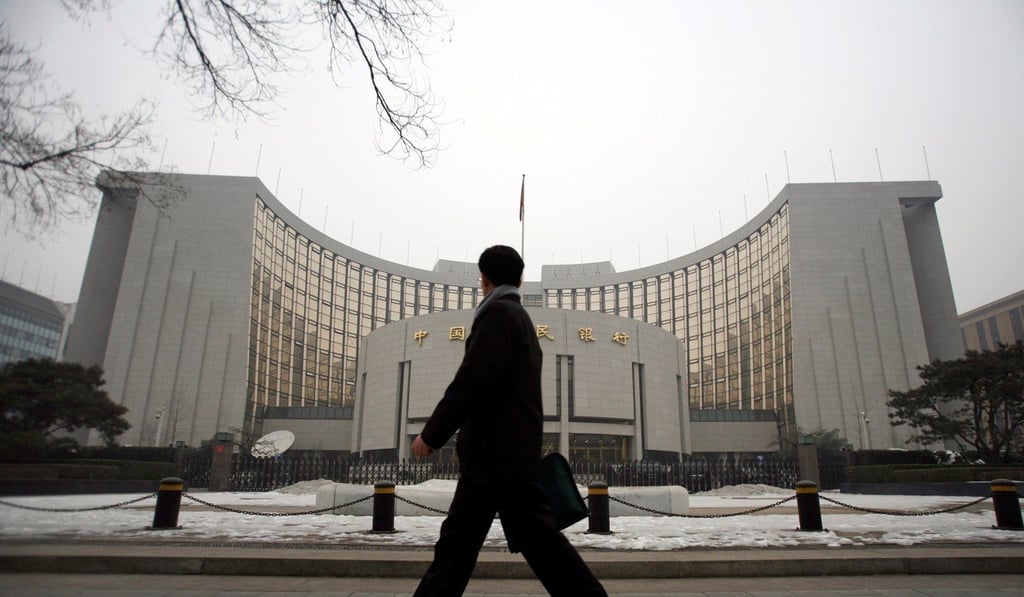
PBOC’s bit-by-bit tightening, often via nimble tweaks in the interbank market that are barely noticed by the general public, puts it close to a moment of truth on how far and fast it should continue going in the same direction.
Zhang Xiaohui, an assistant central bank governor, wrote in an article published this week that a slight drainage in liquidity by the central bank has already triggered loud complaints from a few financial institutions that have gotten used to an unlimited supply of credit. “They often use horrifying words such as…‘money crunch’ or ‘market crash’” in pleading with the central bank to relax, Zhang wrote.
China’s central bank is constantly sending dovish signals to calm the market.