Can Xi Jinping turn China’s political theatre into a hit one-man show?
Politicians gather this week in Beijing to approve the new five-year plan. But behind the scenes, another ambitious agenda will play out – the president’s push to cement loyalty to his leadership

The upcoming “two sessions” – the annual meeting of the country’s legislature and elite political advisers – is the biggest show in Chinese politics. Once a year, thousands of “elected” representatives and appointed delegates make the pilgrimage to Beijing to give their approval to national policies.
The main purpose of the upcoming session of the Chinese People’s Political Consultative Conference – which starts on March 3 – and the National People’s Congress – which gets under way on March 5 – is to endorse the next five-year plan. The blueprint, which aims to double gross domestic product and per capita income from levels a decade earlier, is central to President Xi Jinping’s ambition to realise the “Chinese dream” during his expected 10-year tenure.
This year, though, political pundits will also be watching for any winds of change blowing though the Great Hall of the People. The world’s last major communist-ruled nation has undergone a significant change in how it’s governed since the days of Mao Zedong, who led as an autocrat until his death in 1976. To avoid the infighting and witch hunts that defined much of his rule, the party then switched to a consensus approach to decision-making.
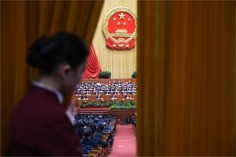
Mao’s successor Deng Xiaoping had to share power with the “Eight Immortals” or party elders. But in the past three years, the pendulum has swung back the other way, with Xi consolidating power through the creation of steering committees that oversee reform, the internet, legal affairs, national security and military reform.
Whereas Xi’s predecessor Hu Jintao was “first among equals”, the current president wants to be the “core of the party’s leadership”. Towards this end, at least half the provincial party chiefs have publicly pledged allegiance to Xi, echoing a campaign under Mao during the last 10 years of his rule.
In addition to the steering committees, Xi has extended his grip over the nation in less formal channels, expunging political dissent by rounding up rights activists and courageous lawyers while banning party members from making “groundless criticism” of policies.