Why grass now costs more than sheep on China’s vast Inner Mongolian prairie
Devastating drought leaves herders struggling to find enough feed to keep livestock alive through winter

Gazing at the thin grass barely covering the soil on what was once one of China’s lushest prairies, Mongolian herder Lingjae, 54, was not optimistic she would get a good price for her sheep.
She was anxiously waiting for offers from two livestock dealers on an unusually warm late-September day on the Hulunbuir grasslands in the north of Inner Mongolia, bordering Mongolia and Russia.
Now grass grows only to 20 to 30cm, even where sheep and cattle are not grazed
“The dealers are not satisfied: one sheep is crippled, several others are too lean,” she said, sighing.
Over the summer, the Hulunbuir grasslands, a popular tourist destination, were hit by the worst drought in decades, with little rain for more than two months and temperatures hitting a record high in August.
The extreme drought pushed up the price of grass and caused livestock prices to plunge. That’s left herders facing hefty economic losses and even led to a violent confrontation in August between two groups contesting access to a piece of not-so-barren pasture.
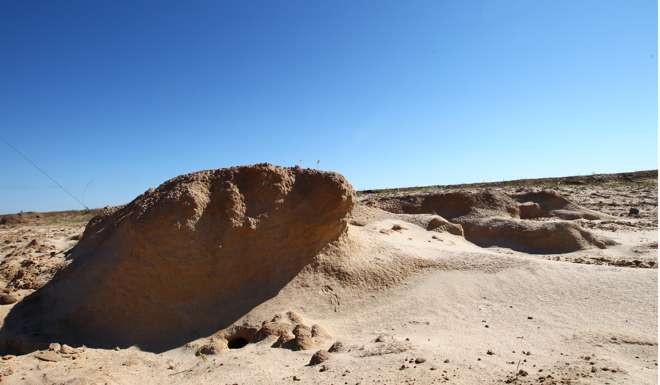
Now, with winter fast approaching, many herders, some already heavily indebted, are feeling helpless. The drought has led to a greatly reduced hay harvest, leaving their sheep and cattle with insufficient feed for winter, when the grasslands will be covered by snow.