Thought police create climate of fear in China’s tense Xinjiang region
Chen Quanguo’s campaign has seen mass disappearances, detention camps, unprecedented levels of police and cutting-edge digital surveillance systems that track where Uygurs go, what they read, who they talk to and what they say

Nobody knows what happened to the Uygur student after he returned to China from Egypt and was taken away by police.
Not his village neighbours in China’s far west, who haven’t seen him in months. Not his former classmates, who fear Chinese authorities beat him to death.
Not his mother, who lives in a two-storey house at the far end of a country road, alone behind walls bleached by the desert sun. She opened the door one afternoon for an unexpected visit by Associated Press reporters, who showed her a picture of a handsome young man posing in a park, one arm in the wind.
“Yes, that’s him,” she said as tears began streaming down her face. “This is the first time I’ve heard anything of him in seven months. What happened?
“Is he dead or alive?”
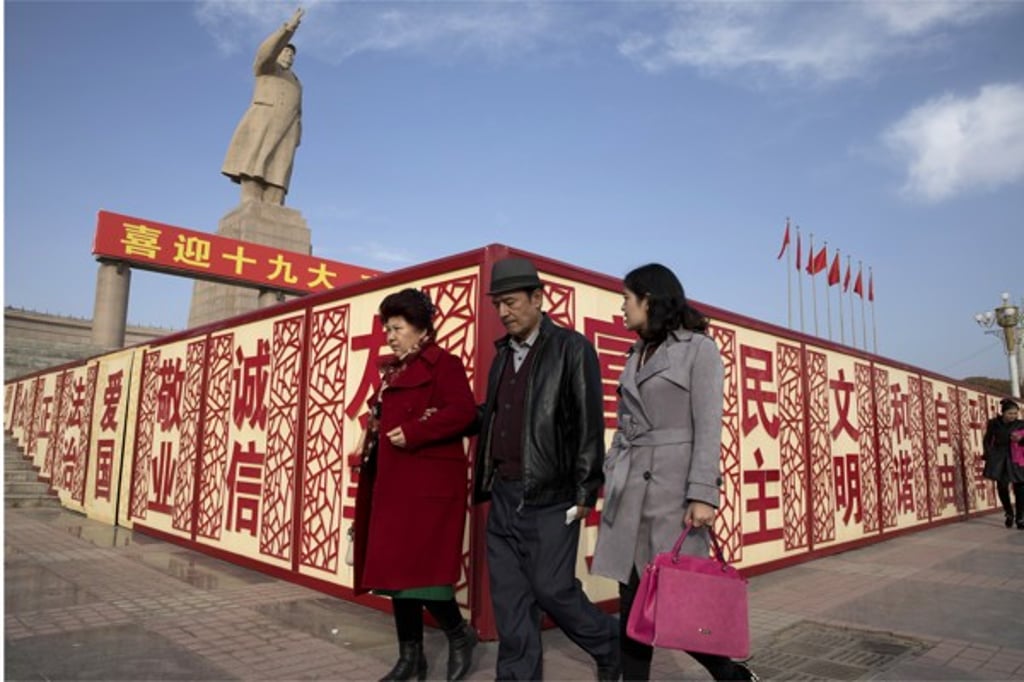
The student’s friends think he joined the thousands – possibly tens of thousands – of people, rights groups and academics estimate, who have been spirited without trial into secretive detention camps for alleged political crimes that range from having extremist thoughts to merely travelling or studying abroad. The mass disappearances, beginning the past year, are part of a sweeping effort by Chinese authorities to use detentions and data-driven surveillance to impose a digital police state in the region of Xinjiang and over its Uygurs – a 10-million strong, Turkic-speaking Muslim minority that Beijing says has been influenced by Islamic extremism.