Opinion | ‘Proactive diplomacy’ in Mekong River dispute only way to resolve brewing conflict
Richard Heydarian writes that more platforms like the Lancang-Mekong Cooperation system are needed to quell dissent in Asia’s other major water war

For years, territorial disputes in the South China Sea have dominated Southeast Asia’s security agenda.
The ferocity of rows over vital sea lines carrying up to a third of global trade valued at US$5 trillion annually has embittered relations between China and some Southeast Asian claimant states. Meanwhile, external powers such as the United States have jumped into the fray, seeking to keep China’s maritime ambitions in check.
While the prevailing narrative tends to be that the South China Sea increasingly has become the main theatre of hegemonic competition between superpowers, this view tends to miss Asia’s other brewing water conflict in the Mekong Delta. Decades down the road, this area could be an even more explosive flashpoint than the South China Sea.
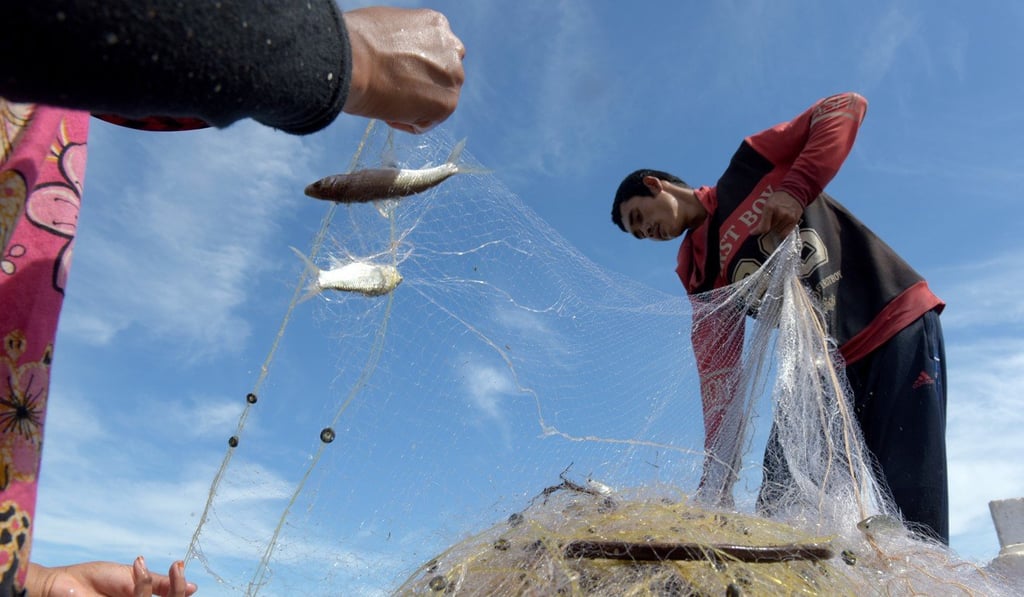
Up to 60 million people in the Mekong basin directly depend on the river for water consumption, fisheries resources and mineral-rich soil.
But the broader issue is ensuring food and water security for Indochinese nations, some of which, namely Vietnam and Thailand, are among the world’s biggest producers of food staples such as rice. The dispute involves China and the Southeast Asian states of Thailand, Vietnam, Cambodia, Myanmar and Laos.