Why China’s Yellow River is so yellow - and why it’s prone to flooding
An international team of researchers has analysed the way sediment builds up in the river known as ‘China’s sorrow’, shedding light on how to manage its notorious floods

The mighty Yellow River has earned the name “China’s sorrow” for its tendency to flood, with devastating consequences, over the centuries.
Now an international group of scientists say they have found the reason why so much sediment builds up in the river over such a long distance – giving it its characteristic yellow tinge and causing frequent overflows – and they are offering their findings as a way to improve the planning, construction and management of river engineering projects both in China and overseas.
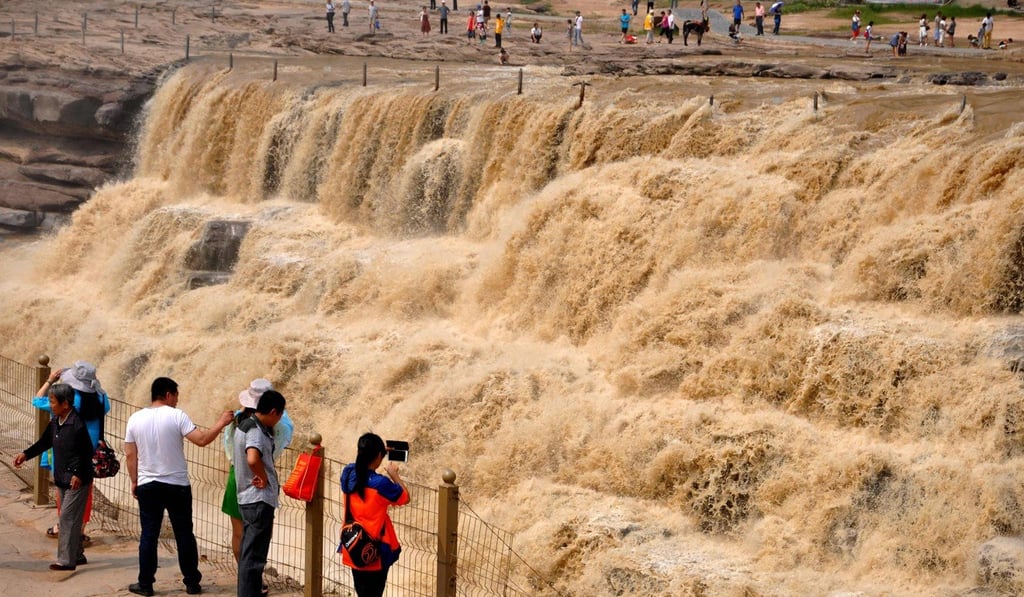
The river – the world’s sixth-longest and China’s second-longest and whose basin was the birthplace of Chinese civilisation – collects most of the sediment when it passes through the Loess Plateau in central China.