China’s Generation Z gaokao candidates shrug off college entrance exam’s reputation for making or breaking futures
China’s gaokao exam season moves into a new era as students born in the 21st century take the rigid national college entrance examinations for the first time

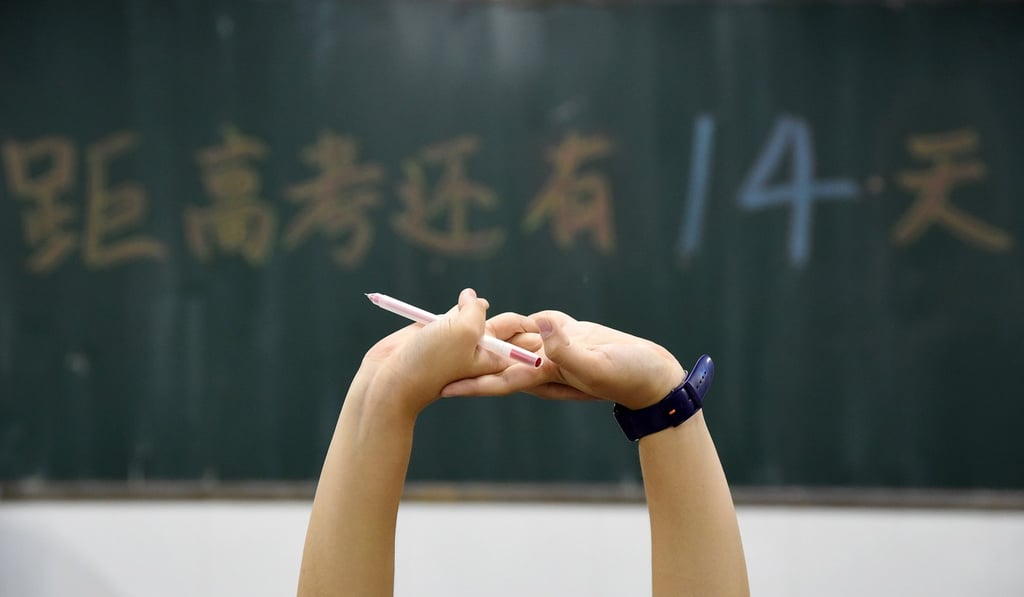
China’s gaokao exam season will move into a new era this week as students born in the 21st century take the rigid national college entrance examinations for the first time.
Their scores will determine whether they can go to university, which institutions will accept them and what careers await them.
But many of the 9.75 million secondary school students who will sit for the exams, officially known as the National Higher Education Entrance Examination, for between two and three days from Thursday, reject the popular view that gaokao can make or break their futures, according to a new survey.
Half of the 20,000 gaokao candidates who took part in the survey conducted by Chinese web portal and social media company Sina Corp – including, for the first time, those born since the beginning of the year 2000 – said they believed that the exam would not be their only opportunity to take hold of their future.
Just half believed getting a high score on gaokao would be important in deciding how the rest of their lives would go.
That result is a distinct departure from a China Youth Daily survey’s finding last year that more than 80 per cent of examination sitters, mostly born in the 1980s and some in the 1990s and 1970s, thought the exam would play a significant role in determining their future.