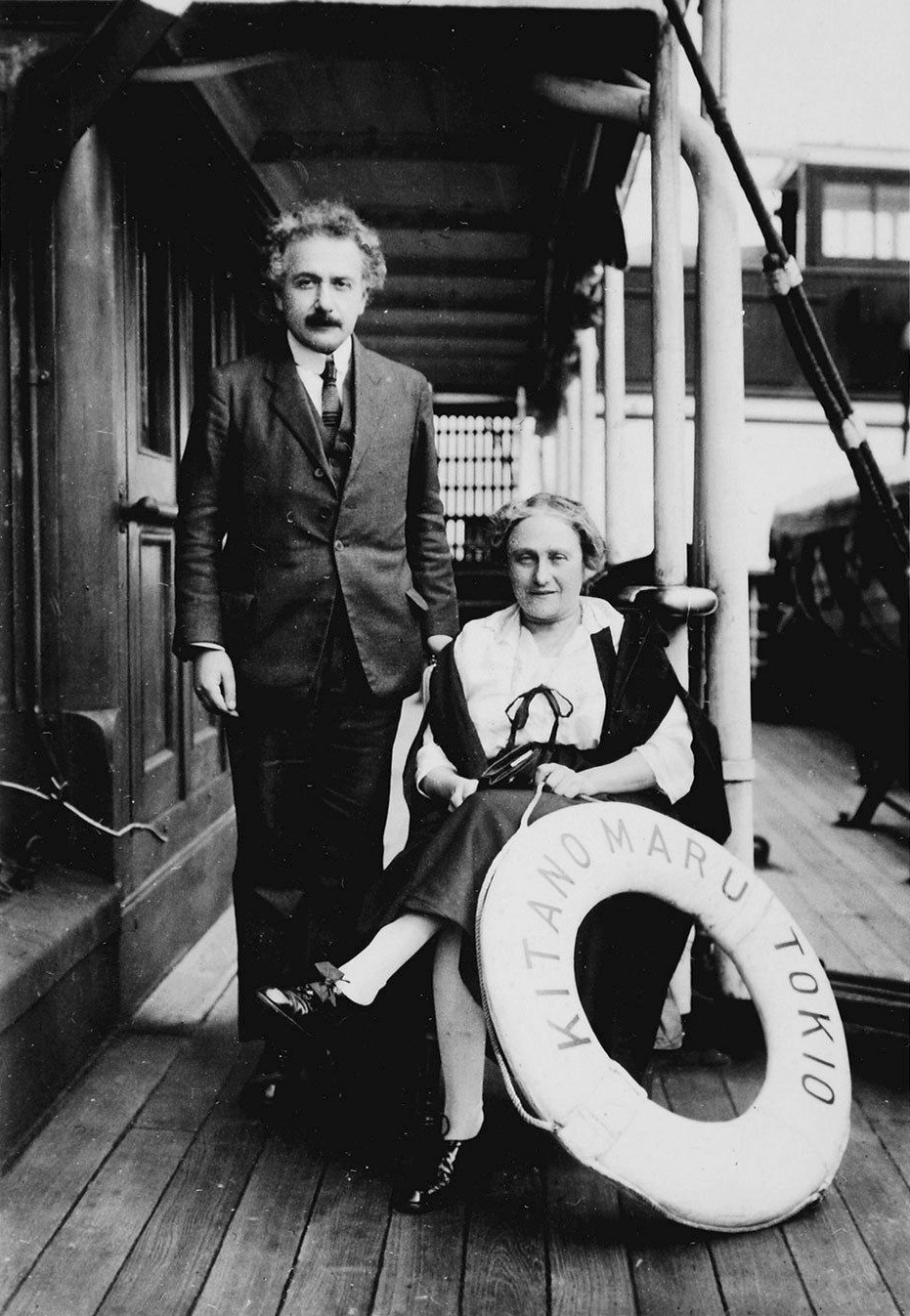
Einstein’s racist views reflect ‘cultural bias’, not bigotry, China’s social media users insist
The father of relativity’s newly published 1920s travel diaries reveal his xenophobic attitudes to the people he met on his travels, particularly the Chinese

Derogatory descriptions of Chinese people in Albert Einstein’s 1920s travel diaries – contradicting his image as a humanitarian icon – reflect “cultural bias” rather than bigotry, according to China’s social media denizens.
Some social media users even said they agreed with the Nobel Prize-winning physicist’s assessments of society given the time in which he was writing – a period of widespread poverty and declining quality of life in China, just a decade after the founding of a republic that ended aeons of dynastic rule.
“Einstein was telling the truth,” one Weibo user commented after reading excerpts from The Travel Diaries of Albert Einstein, published by Princeton University Press.
“But he would not make the same comments if he visited the big Chinese cities today.”
Written between October 1922 and March 1923 during Einstein’s tour of Asia, the diaries – published for the first time as an English-language, standalone volume – reveal the father of relativity’s racist attitudes to the people he met on his travels, particularly the Chinese.