How Hong Kong's seized ivory could help US biologist stop poachers
But biologist mapping hot spots in Africa says delivery of DNA samples has stalled

Hong Kong's massive stockpile of seized ivory could help in the hunt for poachers who are killing tens of thousands of elephants across Africa, a leading US biologist says.
"Hong Kong has been, in the past, very co-operative," said Dr Samuel Wasser, director of the University of Washington's Centre for Conservation Biology.
Wasser said he received samples of seizures in Hong Kong in 2006 and 2008 with the help of Interpol's wildlife crime investigators. But requests for samples from the most recent seizures - more than six tonnes of ivory worth almost HK$50 million confiscated by customs in the past three months - have been stalled.
"They are willing to help, but they want to wait for the case to close first before donating," he said. "But the information could be useful for prosecutions. There's a real sense of urgency."
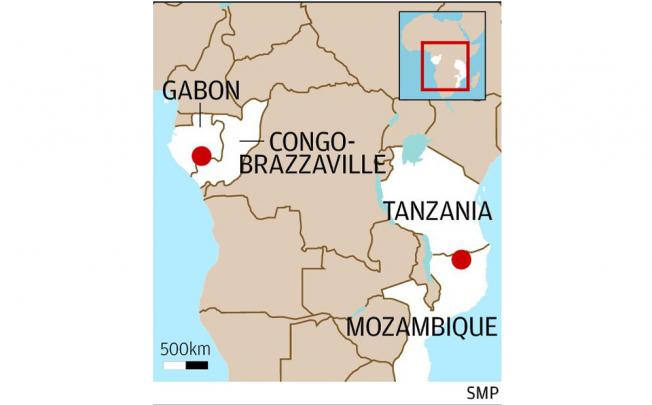
In 2001, Wasser started a genetic map of Africa's elephant populations using dung samples. Since 2002, he has overlaid DNA data extracted from seized tusks onto the map, which shows clusters of poaching activity.