Could Singapore’s ‘ageing in place’ experiment be a model for Hong Kong?
But besides better urban planning to co-locate senior care services in housing estates, community bonds must be strengthened

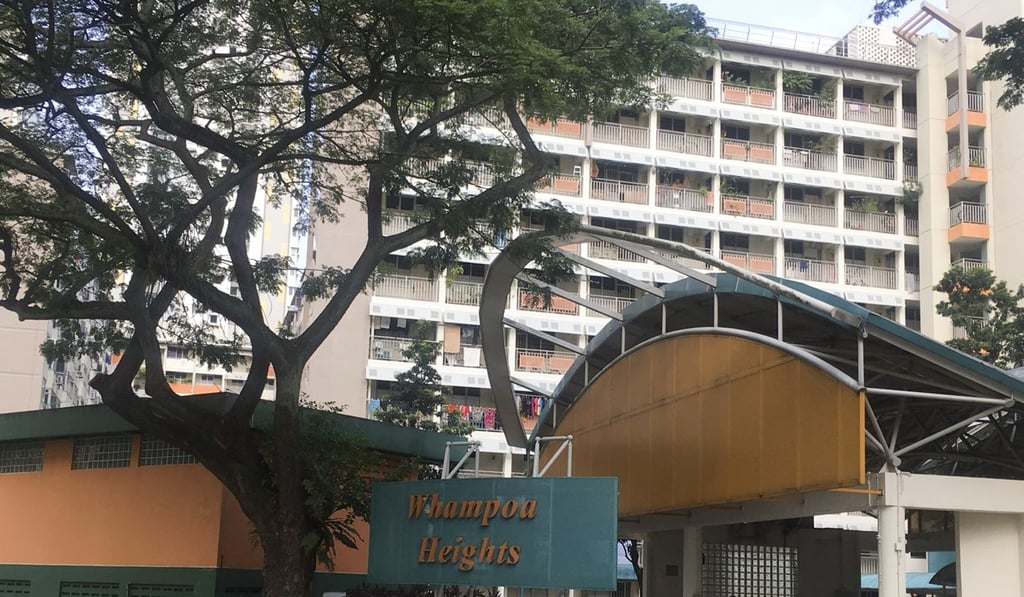
In the residential estate of Whampoa near downtown Singapore, a fifth of the estate’s population is over the age of 60.
But it is by no means a place that lacks vitality. Under a groundbreaking experiment called Community for Successful Ageing (ComSA) by the Tsao Foundation, Whampoa is a place where seniors can grow old in their own homes and continue to interact with the familiar faces and sights in the neighbourhood.
Ignored, overburdened and at risk of burnout – what can be done for Hong Kong’s carers?
There is a senior day care centre and mobile clinic in the estate, and the foundation – a non-profit group specialising in ageing issues – has tried to screen old folk to identify who is at risk in terms of their physical health, mental and emotional well-being and social situation.
Tsao Foundation works closely with grass-roots groups to organise activities for seniors, so they can keep busy and socialise. It also encourages healthy seniors to be volunteer befrienders and visit those who are less mobile, serving as the “eyes and ears” on the ground for social workers.
The Lion City’s successful social experiment begs the question of whether Hong Kong should move faster towards implementing community-based elderly care.
Last year, when residents moved into On Tat estate – one of the city’s newest public housing estates for some 23,500 people – they were shocked to find no designated site within the neighbourhood for elderly home care service providers.